
Last updated September 24, 2026
Insulation Cost Breakdown: The Westminster Homeowner’s Reference for 2026
The cheapest insulation quote on a Westminster attic job often omits air sealing entirely - a scope that typically adds $400-$900 to a job but accounts for 30-50 percent of the measurable performance improvement. We’ve seen homeowners in neighborhoods like Little Saigon and the Bolsa Chica corridor compare three bids with $1,200 spreads and assume the lowest price covers the same work. It rarely does. This guide - along with our more guides & resources - breaks down every cost component that appears, or disappears, in Westminster insulation quotes so you can compare bids on equal terms and know what performance you’re actually paying for.
Quick Answer
Most attic insulation jobs for a 1,400-1,800 square foot Westminster home run $2,800-$6,500 in 2026, depending on material and whether air sealing, removal, and blower-door verification are included as separate line items. Spray foam at rim joists and top plates typically adds $1,200-$2,800. The same home could receive quotes ranging from $2,200 to $5,800 for seemingly identical scopes because contractors bundle or bury air sealing, disposal, and diagnostic testing differently.
Table of Contents
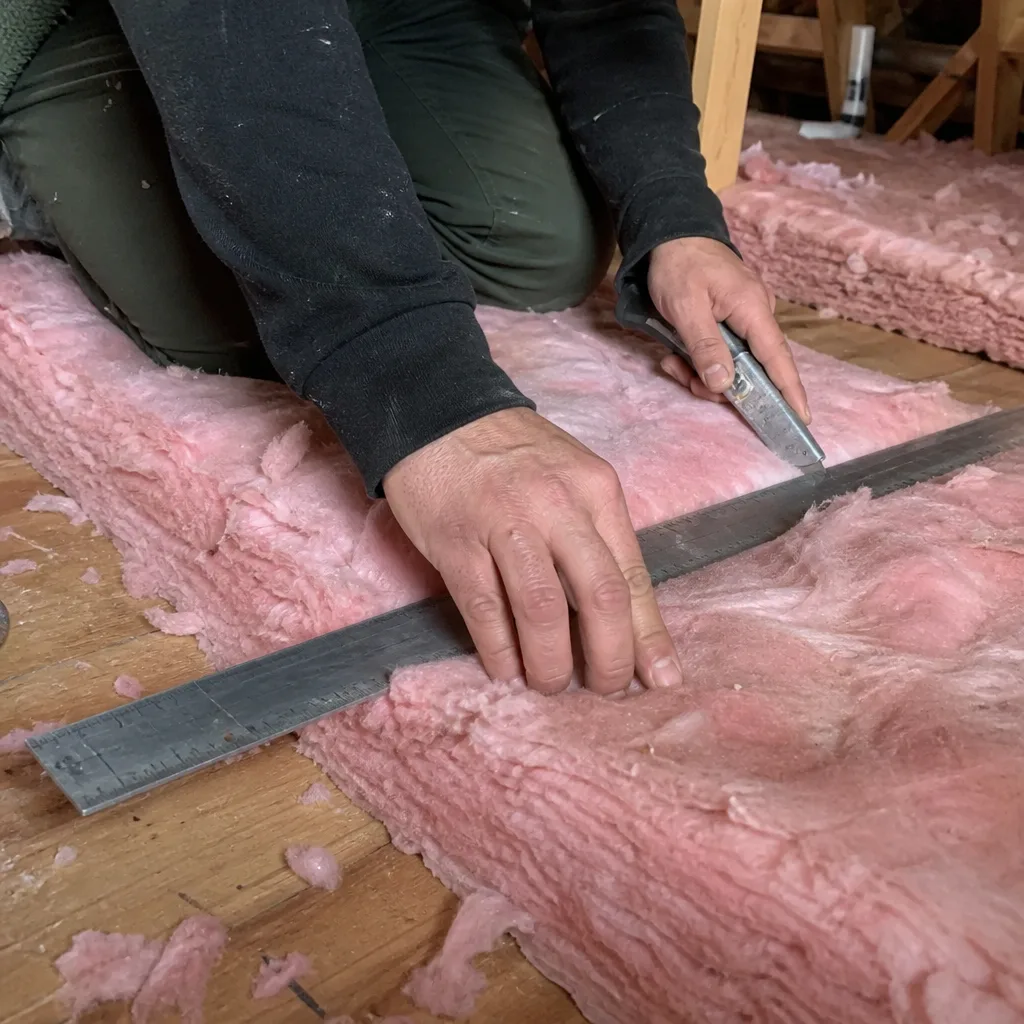
- Why Westminster Insulation Quotes Vary by 40-60% for the Same House
- 2026 Material Costs by Type: Blown Fiberglass, Cellulose, and Spray Foam
- Air Sealing: The Line Item That Disappears
- Hidden Costs: Removal, Access, and Duct Work
- Blower-Door Testing: Why It Belongs in Every Bid
- How to Compare Three Bids Apples-to-Apples
- Westminster Climate and Code Factors That Affect Price
- Common Mistakes to Avoid
- When to Call a Professional
- Frequently Asked Questions
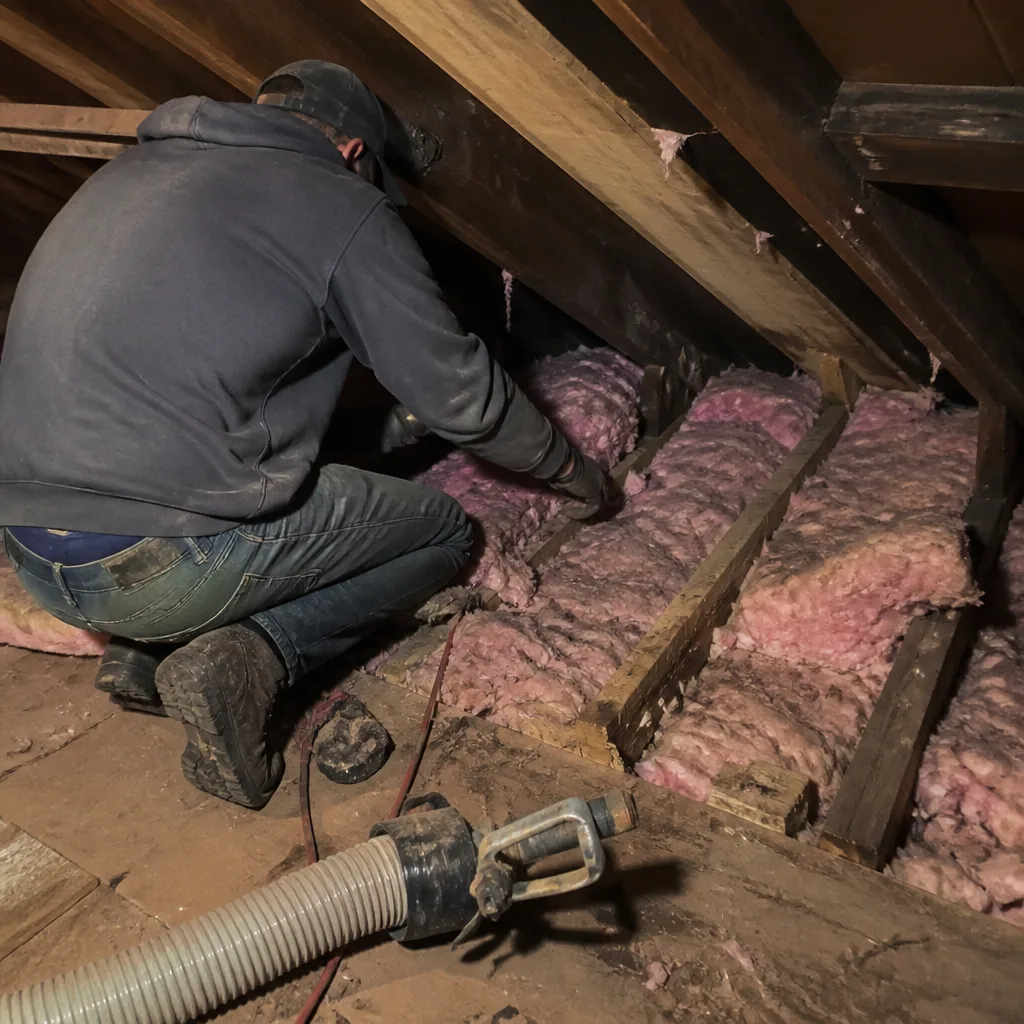 Before
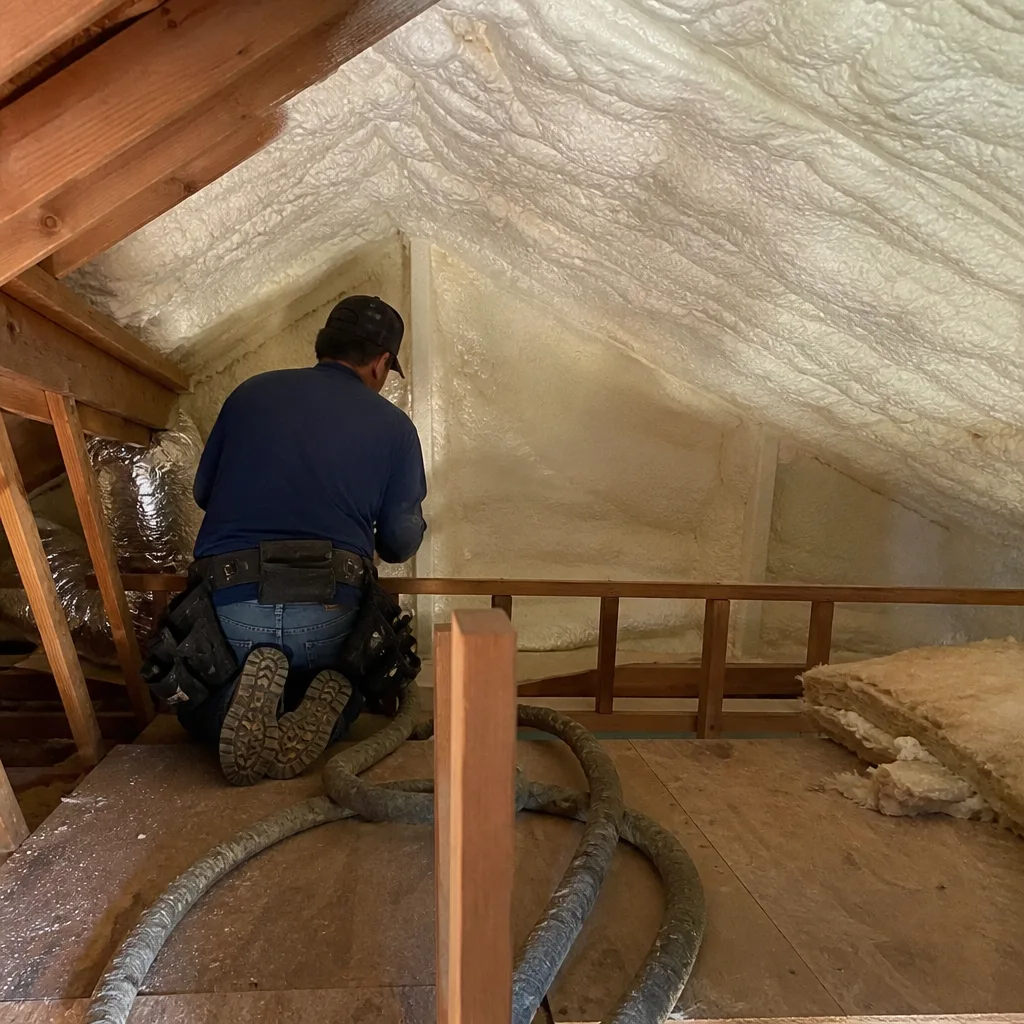 After
AfterWhy Westminster Insulation Quotes Vary by 40-60% for the Same House
We’ve reviewed hundreds of competing bids brought in for our Topside Attic Insulation Westminster home free second opinion service. The pattern is consistent: a 1,600 square foot home in Westminster’s West Garden Grove adjacency receives quotes from $2,400 to $4,800, and the homeowner reasonably assumes the middle bid is safest. But the line-item breakdowns tell a different story.
Three factors create this spread:
- Air sealing bundled versus buried. One contractor lists it at $650, another includes it in “materials and labor” without specifying scope, and a third omits it entirely. The third bid looks cheapest but leaves the attic floor leaking conditioned air through top-plate gaps and recessed light cans.
- Removal and disposal priced separately or assumed. Existing insulation contaminated by rodent activity, moisture, or age must come out first. Some bids price this at $1.50-$2.50 per bag plus disposal; others assume a clean attic that doesn’t exist.
- Verification omitted. A blower-door test - a pressurization reading that shows, in one number, how much air your building envelope is losing - costs $200-$400. Contractors who skip it deliver a lower bid and no proof of performance.
The Haven Standard requires a written scope before any work starts precisely because this ambiguity costs homeowners in Westminster real money. When we arrive for a second opinion, we often find the lowest bid would require $1,100 in add-ons to match the highest bid’s actual scope.
2026 Material Costs by Type: Blown Fiberglass, Cellulose, and Spray Foam
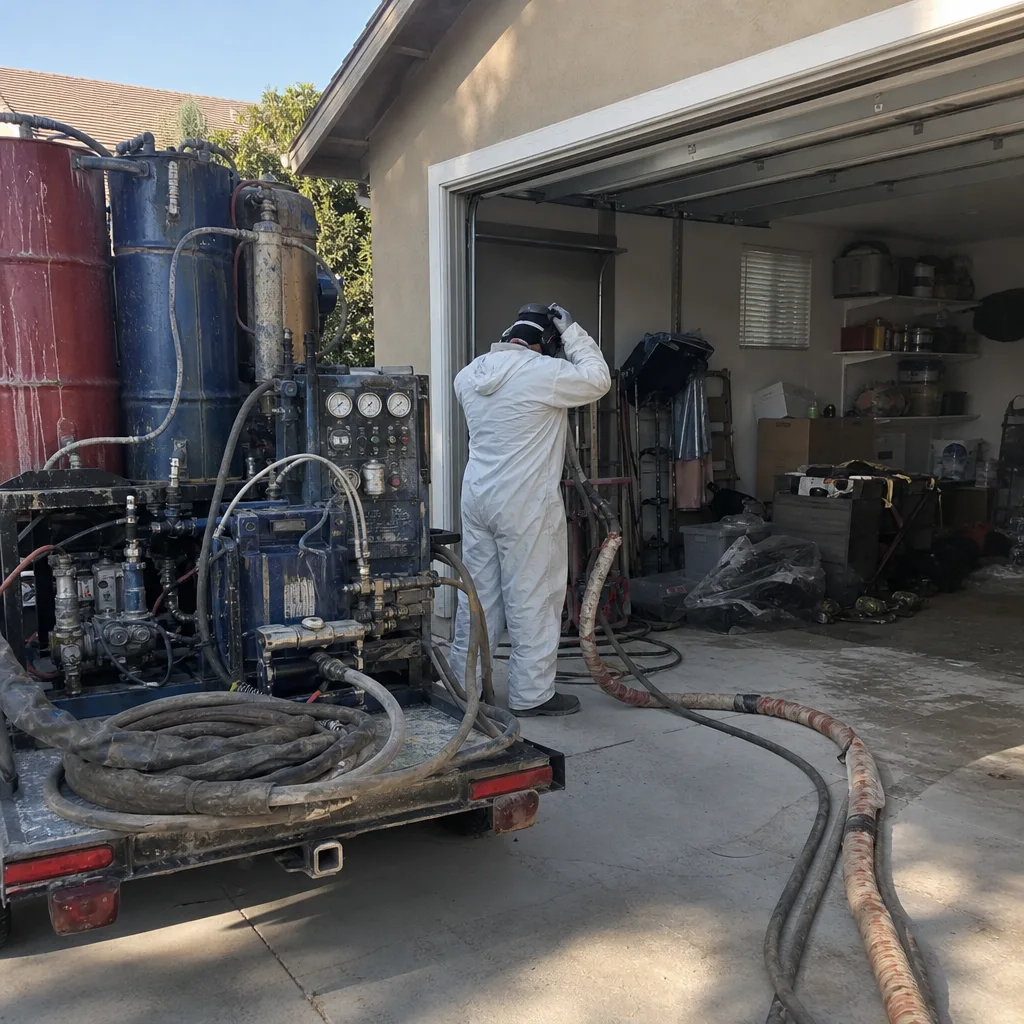
Material selection drives base cost more than any other single factor. Here are the 2026 ranges we’re seeing for typical Westminster homes, based on jobs completed in the 92683 zip and adjacent areas.
Blown Fiberglass (Loose-Fill)
Most common for attic floor applications. We source from Owens Corning, Johns Manville, and Knauf depending on the specific thermal and density requirements.
- Cost: $1.80-$2.60 per square foot installed
- Typical total for 1,400-1,800 sq ft home: $2,500-$4,200
- R-value per inch: approximately R-2.5 to R-3.0
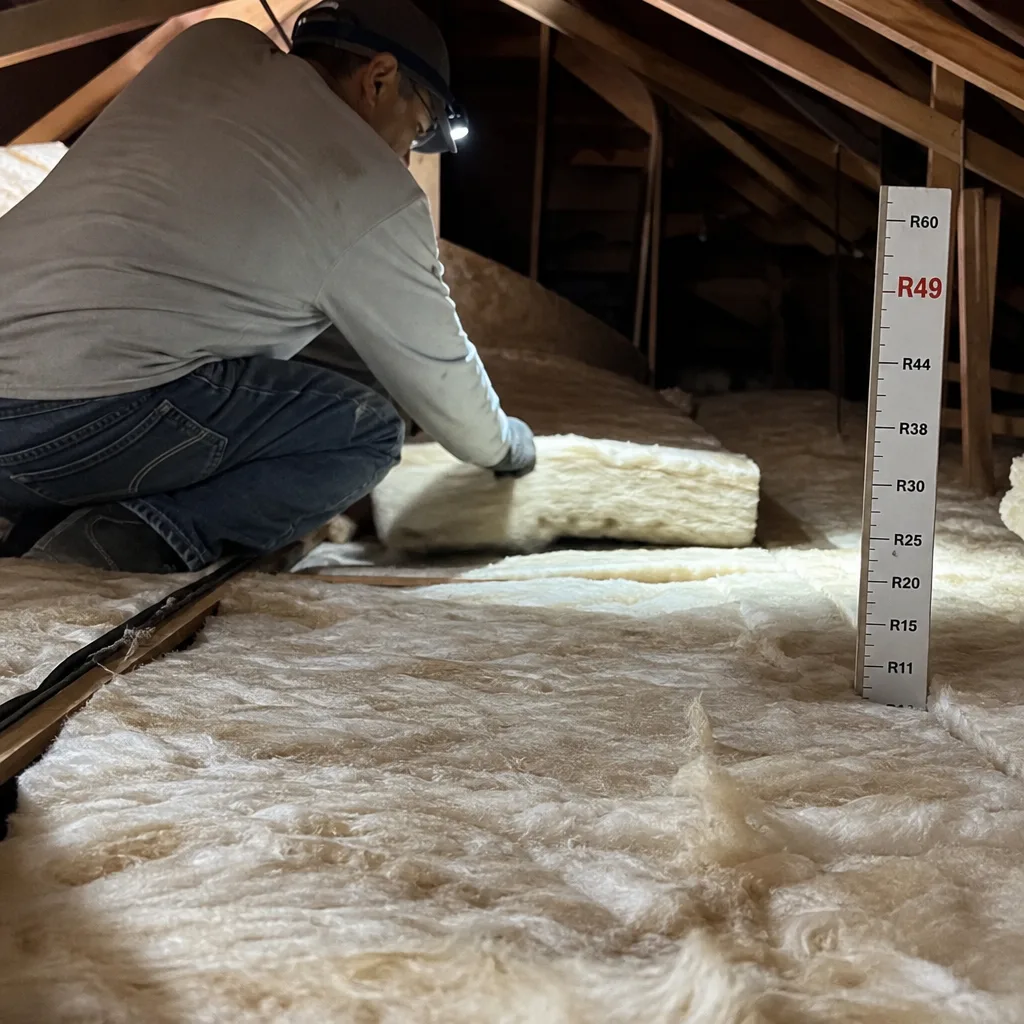
- Typical installed depth for Westminster’s Climate Zone 8: 14-16 inches (R-38 to R-49)
Blown fiberglass works well in attics with standard joist spacing and minimal obstructions. It’s the baseline most Westminster homeowners receive quotes for, and it’s often the right choice when the attic floor is accessible and air sealing has been completed first.
Blown Cellulose (Loose-Fill)
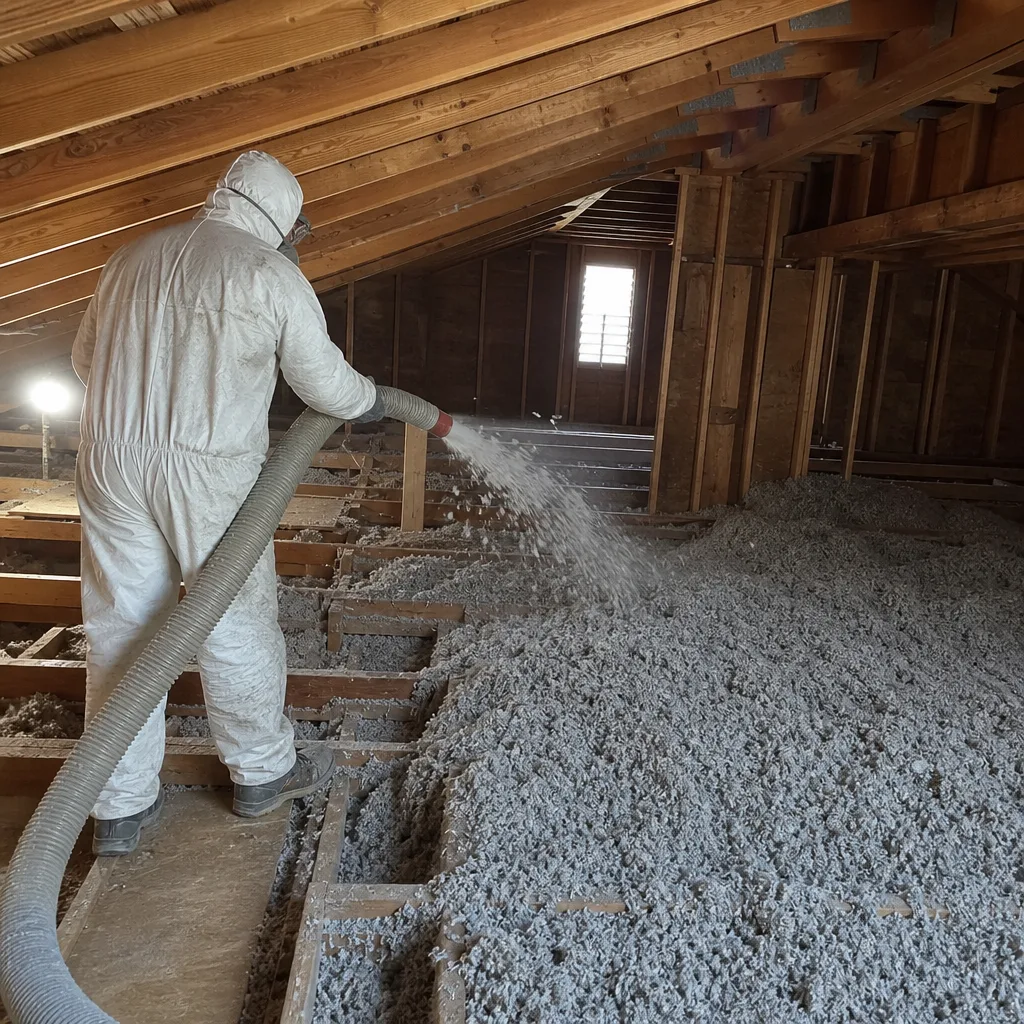
Higher density than fiberglass, with better resistance to air movement when packed. We use GreenFiber and CertainTeed products for cellulose applications where sound dampening or fire resistance is a priority.
- Cost: $2.00-$2.90 per square foot installed
- Typical total for 1,400-1,800 sq ft home: $2,800-$4,800
- R-value per inch: approximately R-3.2 to R-3.8
- Typical installed depth: 11-14 inches (R-38 to R-49)
Cellulose settles less than older formulations, but we still account for 5-8 percent settling in our depth calculations. In Westminster’s older neighborhoods near Beach Boulevard, where homes from the 1960s and 1970s have irregular joist spacing, cellulose’s density advantage can justify the modest premium.
Spray Foam (Open-Cell and Closed-Cell)
Applied at rim joists, top plates, and as full attic floor replacement in specific applications. We use Icynene and Demilec open-cell products and closed-cell formulations where moisture management or structural rigidity is required.
- Open-cell spray foam: $3.50-$5.50 per board foot
- Closed-cell spray foam: $5.50-$8.50 per board foot
- Typical rim joist and top-plate scope only: $1,200-$2,800
- Full attic floor spray foam (rare in Westminster): $6,500-$12,000+
Most Westminster homes don’t need full attic spray foam. The higher-value application is targeted: rim joists in crawl spaces, top plates where walls meet the attic floor, and knee walls in second-story additions common near the Westminster Mall area. We specify board feet - one square foot at one inch thick - so homeowners know exactly what volume they’re purchasing.
Cost Comparison Summary
| Material | Per Sq Ft | Typical Total (1,400-1,800 sq ft home) | Best Application |
|---|---|---|---|
| Blown fiberglass | $1.80-$2.60 | $2,500-$4,200 | Open attic floors, standard joist spacing |
| Blown cellulose | $2.00-$2.90 | $2,800-$4,800 | Irregular framing, sound/fire priority |
| Spray foam (targeted) | $3.50-$8.50 per board foot | $1,200-$2,800 (rim/top-plate only) | Air barriers at complex junctions |
Air Sealing: The Line Item That Disappears
Air sealing is the work that happens before insulation goes in, and it’s the most commonly omitted or under-specified component in Westminster bids. We’ve found this in every neighborhood from the Asian Garden Mall corridor to the residential streets south of the 405: contractors who skip air sealing deliver a lower bid and leave 30-50 percent of potential performance improvement on the table. See Insulation Warning Signs: A Westminster Homeowner’s Reference Guide for other red flags.
What air sealing actually covers in a typical Westminster attic:
- Top-plate gaps: The horizontal board where interior walls meet the ceiling drywall. In homes built before 1990, these gaps often run continuous and unsealed, creating a direct path for conditioned air to escape into the attic.
- Recessed light cans: “Can lights” installed before IC-rated (insulation contact) fixtures became standard are essentially holes in your ceiling. We seal around the housing or recommend replacement with airtight LED housings.
- Attic hatch or scuttle: The access point itself is often the largest single leak, especially in homes with pull-down ladders that don’t seat against weatherstripping.
- Duct boots and penetrations: Where HVAC ducts pass through the ceiling, the gap between duct and drywall is rarely sealed by the original builder.
- Plumbing and electrical penetrations: Every pipe and wire that passes through the top plate needs sealing.
- Chimney and flue chases: Framed enclosures around chimneys create large bypasses if not blocked and sealed with fire-rated materials.
Pricing structures vary. Some contractors price per penetration - $15-$35 per can light, $40-$80 per duct boot. Others price by the hour for the sealing technician, typically $85-$125 per hour with 4-8 hours for a complete attic. The total scope for a 1,600 square foot Westminster home typically runs $400-$900.
Under The Haven Standard, we never blow insulation over an unsealed attic floor. The written scope specifies every penetration to be sealed, the material to be used (typically acrylic latex caulk for small gaps, fire-rated foam for larger penetrations, rigid foam with sealant for major bypasses), and the blower-door target we’ll hit before insulation installation begins.
Hidden Costs: Removal, Access, and Duct Work
Bids that look complete often omit costs that materialize once work begins. We document these during our initial inspection and include them in the written price before any work starts.
Existing Insulation Removal
Insulation removal is priced by volume or by bag. In Westminster’s older housing stock, we encounter:
- Original fiberglass batts compressed to half their original R-value
- Cellulose contaminated by roof leaks or rodent activity
- Vermiculite in pre-1980 homes, which requires asbestos testing before disturbance
Removal costs: $1.50-$2.50 per bag for standard fiberglass or cellulose, with typical attics generating 30-80 bags. Vermiculite or heavily contaminated material requires abatement contractors and runs $4,000-$8,000 - a cost that must be identified before work starts, not discovered when the crew arrives.
Attic Hatch Enlargement
Many Westminster homes built in the 1960s and 1970s have attic openings too small for modern equipment or for a technician to work safely. Enlarging the hatch, framing a new opening, and finishing with code-compliant hardware typically runs $350-$750.
HVAC Duct Repositioning
Ducts lying directly on the attic floor prevent proper insulation depth. Raising or rerouting ducts to allow full coverage adds $200-$600 depending on linear feet and whether flex duct or rigid metal is involved. In Westminster’s warmer inland-adjacent climate, ducts in unconditioned attics are a significant efficiency penalty - we note this in our written scope and photo documentation.
Electrical and Lighting Upgrades
Non-IC-rated can lights cannot be covered with insulation. Replacement with airtight, IC-rated LED housings runs $45-$85 per fixture including labor. We specify this in the written scope when our inspection finds pre-1990 fixtures.
Blower-Door Testing: Why It Belongs in Every Bid
A blower-door test - a pressurization reading that shows, in one number, how much air your building envelope is losing - is the only objective verification that air sealing worked. Yet we regularly review competing bids that list it as “optional” or omit it entirely.
The test works by mounting a calibrated fan in an exterior door and depressurizing the house to 50 Pascals. The resulting CFM50 reading (cubic feet per minute at 50 Pascals) quantifies total leakage. Typical pre-retrofit readings for Westminster homes:
- Pre-1980 homes: 3,500-6,000 CFM50
- 1980-2000 homes: 2,500-4,500 CFM50
- Post-2000 homes: 2,000-3,500 CFM50
After comprehensive air sealing and before insulation installation, we target 35-50 percent reduction. A home that started at 4,200 CFM50 and finishes at 2,100 CFM50 has demonstrably better envelope performance - and the homeowner has the documentation to prove it.
Blower-door testing costs $200-$400 as a standalone service. In our bids, it’s included as a line item: pre-test to establish baseline, air sealing work, post-test to verify. The $300-$500 total for testing is less than one year of excessive energy bills in Westminster’s cooling-dominant climate.
Without blower-door verification, you’re paying for promises. With it, you have a number that proves the work performed as specified. Every applicable job in our 9,000+ homes sealed and insulated since 2016 includes this documentation.
How to Compare Three Bids Apples-to-Apples
When we review competing estimates with Westminster homeowners, we use a structured comparison that forces every bid to answer the same questions. Here’s the framework:
- Request line-item breakdowns. Any bid that lists only “attic insulation - $3,200” should be rejected. You need material type, R-value, air-sealing scope, removal if applicable, and verification method as separate items.
- Standardize the R-value. California Title 24 requires R-38 minimum for attic floors in Climate Zone 8, which includes Westminster. Some bids quote R-30 to hit a lower price point; others quote R-49 or R-60 without asking if you want it. Specify your target R-value and require all bids to match it.
- Specify air-sealing scope in writing. “Includes air sealing” is meaningless. The written scope should list: top plates, can lights, attic hatch, duct boots, plumbing/electrical penetrations, chimney chase. If a bid omits any of these, add the typical cost ($400-$900) to make it comparable.
- Verify removal and disposal. Ask each bidder: “Did you assume existing insulation stays, or did you price removal?” If removal is needed, add $1.50-$2.50 per bag estimate to bids that omitted it.
- Require blower-door documentation. The bid should specify pre-test, post-test, and target reduction percentage. If omitted, add $300-$500 for standalone testing.
- Compare warranties on equal terms. Material warranties (typically 10 years to lifetime) differ from workmanship warranties. Our 365-Day Done Right Promise covers installation quality; material defects are handled through the manufacturer.
Here’s how three hypothetical bids for a 1,600 sq ft Westminster home might compare after normalization:
| Component | Bid A | Bid B | Bid C |
|---|---|---|---|
| Base: Blown fiberglass to R-38 | $2,800 | $3,200 | $2,400 |
| Air sealing (specified scope) | $650 | Included | Not included |
| Removal (30 bags) | $450 | Included | Not included |
| Blower-door test | $300 | $250 | Not included |
| Attic hatch enlargement | Not needed | $400 | Not included |
| Comparable total | $4,200 | $4,050 | $3,750 + add required scope |
Bid C’s $2,400 base price requires $1,350 in additions to match the scope of Bids A and B. The true comparison is $3,750 versus $4,050 and $4,200 - not $2,400 versus $3,200.
Westminster Climate and Code Factors That Affect Price
Westminster sits in California Climate Zone 8, a cooling-dominant zone with mild winters and significant summer heat. This shapes insulation decisions in ways that differ from national averages. Our Seasonal Insulation Care for Westminster: Year-Round Homeowner’s Guide covers how to maintain performance through temperature swings.
Cooling load priority. Unlike heating-dominated climates where ceiling insulation primarily prevents heat loss, Westminster’s insulation must block radiant heat gain from attic temperatures that reach 140-160°F in August. This makes attic floor depth and air sealing at the ceiling plane more critical than in mixed climates. We typically recommend R-38 to R-49 for attic floors, with R-49 providing measurable comfort improvement in second-story rooms during September heat waves.
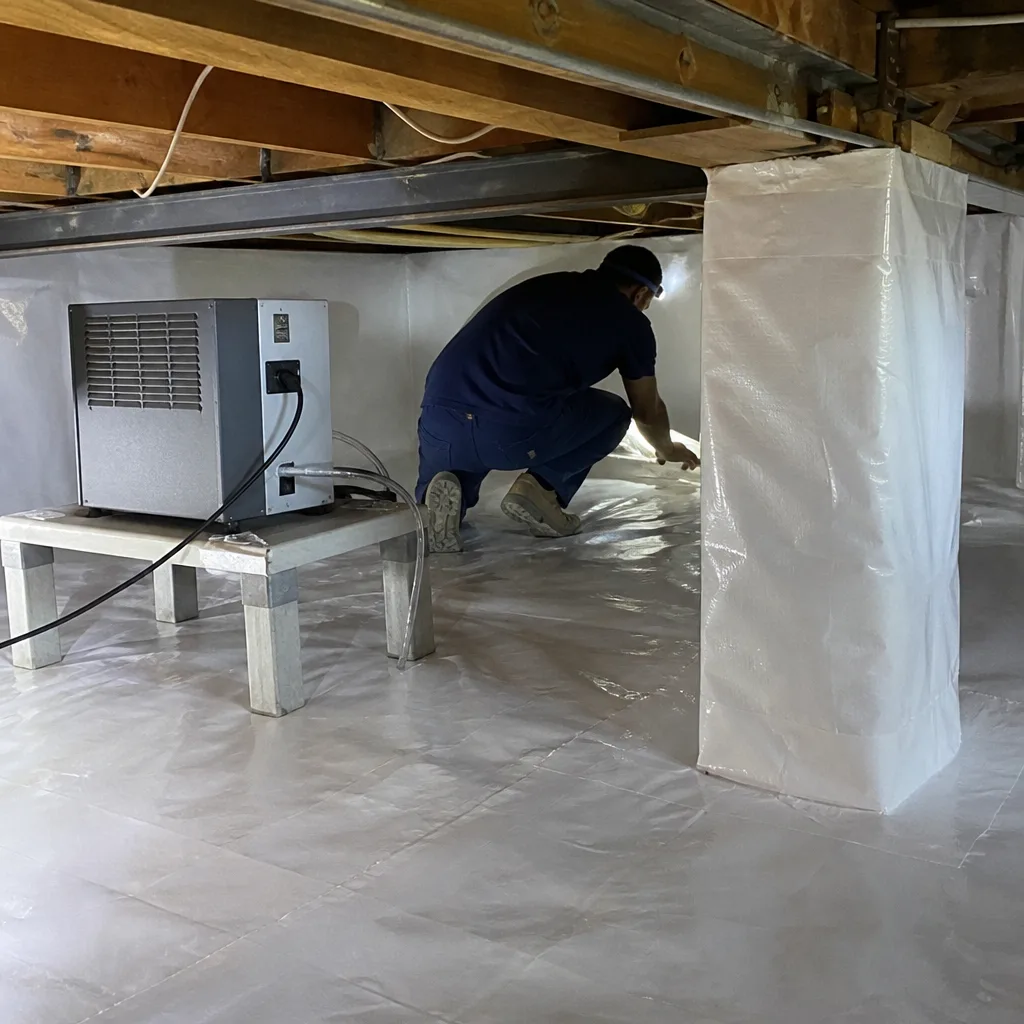
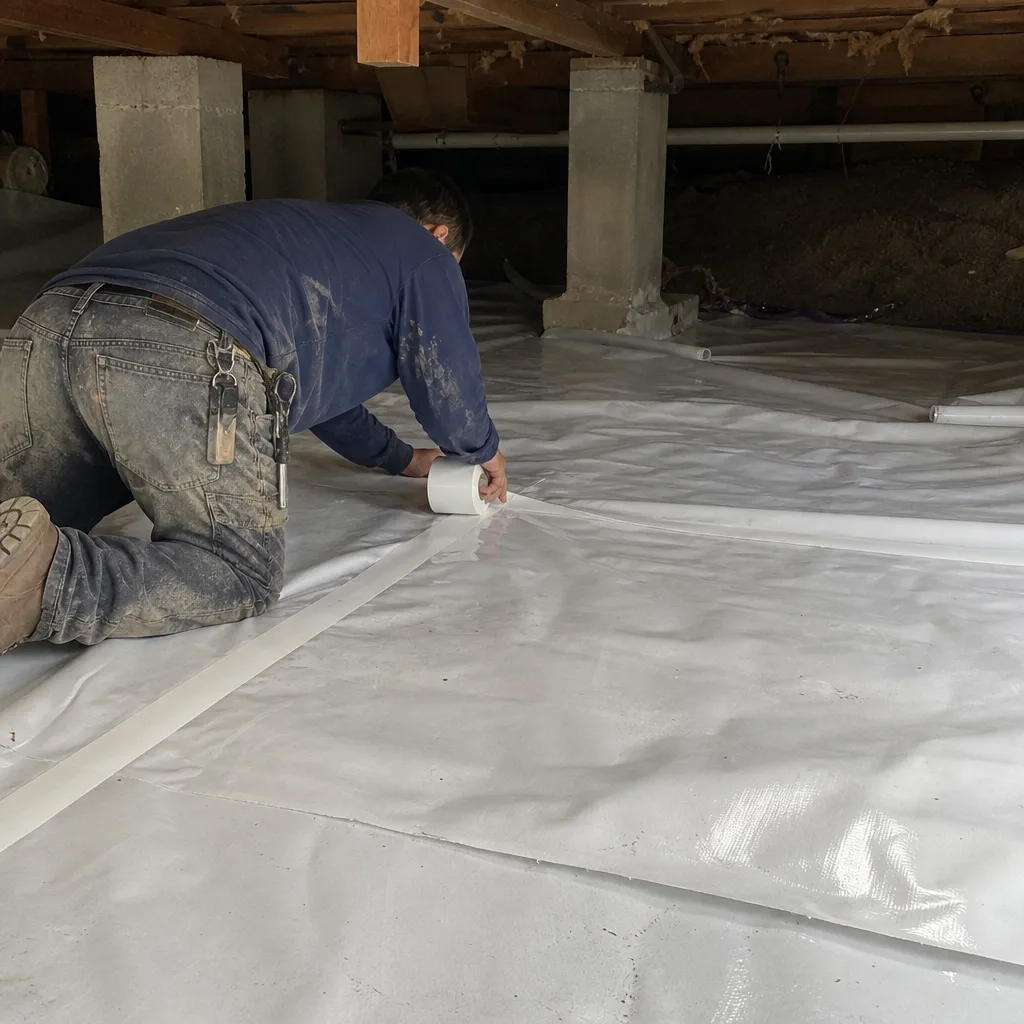
Humidity and coastal influence. Westminster’s proximity to Huntington Beach creates moderate humidity compared to inland Orange County. This affects material selection: cellulose’s moisture buffering can be advantageous, but vapor barrier strategy matters more in crawl spaces than attics. Our Crawl Space Encapsulation & Vapor Barrier in Westminster service addresses this separately.
Title 24 compliance. New construction and major renovations must meet California’s energy code, but retrofit insulation in existing homes is generally exempt from permitting unless structural modifications are involved. For deeper guidance, see Insulation Permits, Codes & Inspections in CA: What You Need to Know. However, utility rebate programs - including those through Southern California Edison - often require minimum R-values and professional installation documentation. We provide the blower-door readings and photo documentation needed for rebate submission.
Neighborhood housing stock patterns. Westminster’s development waves create predictable insulation challenges:
- Pre-1970 homes near Beach Boulevard: Often have minimal original insulation (R-11 batts or less), unsealed top plates, and knob-and-tube wiring that must be evaluated before insulation contact.
- 1970s-1980s tracts near the Mall: Typically have R-19 fiberglass batts, often poorly installed with compression and gaps. Air sealing was not standard practice.
- 1990s-2000s infill: Better baseline insulation but frequently compromised by recessed lighting and complex rooflines that create thermal bypasses.
In the Little Saigon commercial-residential mixed areas, we also encounter converted attic spaces with knee walls and dormers that require specialized air sealing and insulation approaches.
Common Mistakes to Avoid
- Comparing total prices without line-item scopes. A $2,400 bid and a $4,200 bid are not comparable until you know what each includes. Demand breakdowns.
- Skipping air sealing to save money. We’ve tested Westminster homes with new R-49 insulation over unsealed attics that performed worse than homes with R-30 and proper air sealing. The blower-door numbers prove it.
- Ignoring removal costs in older homes. Original insulation in pre-1980 Westminster homes is often compressed, contaminated, or potentially asbestos-containing. Testing and removal are not places to cut corners.
- Accepting “R-38 equivalent” claims for thin spray foam. Spray foam’s R-value per inch is higher, but depth matters. Two inches of closed-cell foam at R-6.5 per inch is R-13 - not equivalent to 14 inches of blown fiberglass at R-38.
- Not verifying IC-rated fixtures before covering can lights. Covering non-IC-rated fixtures with insulation creates fire hazards. We inspect and specify replacement in our written scope.
- Choosing material based on price alone without considering density and air movement. In Westminster’s climate, a denser material that resists convective looping can outperform a higher-R-value material that allows air movement.
When to Call a Professional
Call for a professional assessment when your home was built before 1990 and hasn’t had insulation evaluated; when you notice second-story rooms that are consistently 5-10 degrees warmer in summer; when your energy bills spike during Westminster’s August-September cooling season; or when you’re comparing bids that vary by more than 30 percent and can’t determine why.
Topside Attic Insulation Westminster offers free estimates in Westminster - call (562) 526-6978. Every estimate includes a written scope, line-item pricing, and a Documented Photo Record of conditions found during inspection. We also provide free second opinions on any written estimate: bring us a competing bid and we’ll read it with you, line by line, to identify what’s actually included.
Frequently Asked Questions
Most attic insulation jobs for a 1,400-1,800 square foot Westminster home run $2,800-$6,500 in 2026, with the final cost depending on material type, whether existing insulation requires removal, and whether air sealing and blower-door verification are included. A basic blown fiberglass job to R-38 on a clean attic floor with minimal air sealing runs toward the lower end; spray foam at rim joists and top plates with full air sealing and verification runs toward the upper end. Call (562) 526-6978 for a written estimate with line-item breakdown - estimates are free.
Air sealing is necessary. We’ve blower-door tested Westminster homes with thick insulation over leaky attic floors that performed worse than properly sealed homes with half the R-value. Air leaks carry conditioned air directly into the attic; insulation slows heat transfer but doesn’t stop air movement. Under The Haven Standard, we seal first, then insulate - in that order. Skipping air sealing typically wastes 30-50 percent of the potential performance improvement.
Blown fiberglass, sourced from manufacturers like Johns Manville and Knauf, is lighter, doesn’t settle significantly, and is non-combustible. Blown cellulose, from suppliers like GreenFiber and CertainTeed, is denser, provides better resistance to air movement when packed, and offers superior sound dampening. For most Westminster attics, either material works well; we specify based on your home’s framing conditions, fire safety priorities, and whether sound transmission between floors is a concern.
Existing insulation needs removal when it’s compressed below half its original thickness, contaminated by moisture or rodent activity, or potentially asbestos-containing (vermiculite in pre-1980 homes). During our inspection, we photograph conditions and include removal in the written scope when needed. We don’t install new insulation over compromised material - the Haven Standard requires a clean substrate.
A blower-door test is a pressurization reading that shows, in one number, how much air your building envelope is losing. The fan depressurizes your home to a standard pressure, and the resulting CFM50 reading quantifies total leakage. Without it, you have no objective verification that air sealing worked. With it, you have before-and-after documentation of performance improvement. At $200-$400, it costs less than one year of excessive energy bills in Westminster’s climate.
Yes, Southern California Edison and some Orange County programs offer rebates for insulation upgrades that meet minimum R-values and are installed by qualified contractors. Rebate programs typically require documentation of pre-existing conditions, installed R-value, and sometimes blower-door results. We provide the written scope, photo documentation, and test results needed for rebate applications as part of our standard deliverables.
A standard attic insulation job in Westminster - including air sealing, blown material installation, and blower-door verification - takes one to two days for a 1,400-1,800 square foot home. Removal of existing insulation adds a half day to full day. Jobs requiring attic hatch enlargement, duct repositioning, or extensive electrical work may extend to three days. We specify the schedule in our written scope before work starts.
The Bottom Line
Westminster insulation quotes vary by 40-60 percent because contractors bundle, bury, or omit different scope components. The only way to compare bids fairly is to demand line-item breakdowns for material, air sealing, removal, access modifications, and verification - then normalize to equal scope. The cheapest bid often excludes air sealing, which accounts for 30-50 percent of performance improvement. The most expensive bid may include unnecessary upgrades. The right bid specifies exactly what you’ll receive, documents performance with blower-door numbers, and puts every promise in writing before work starts. That’s the Haven Standard, and it’s how we’ve completed 9,000+ homes since 2016.
Written by Wes Okafor, Owner at Topside Attic Insulation Westminster, serving Westminster since 2016.