
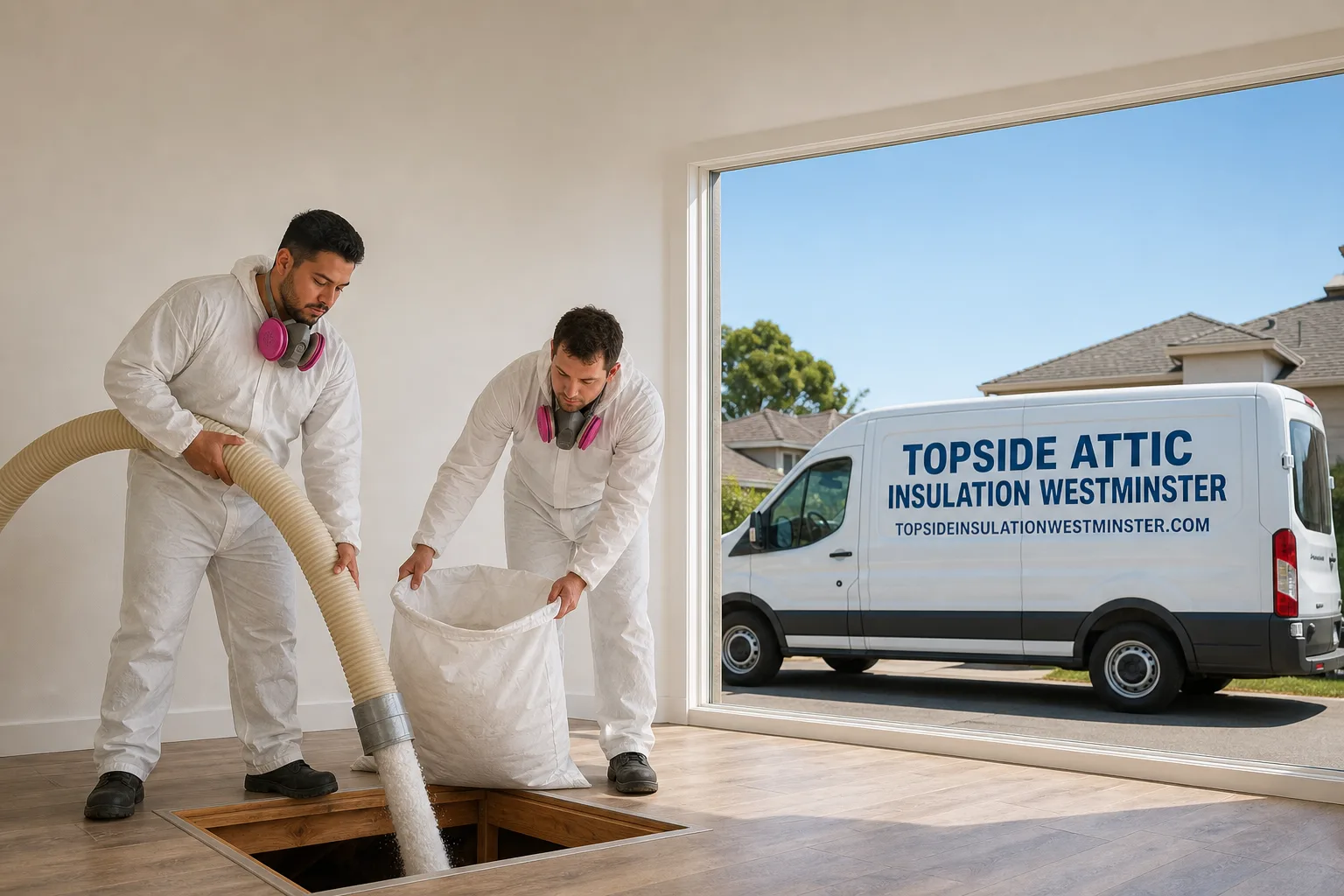
How Much Does Crawl Space Encapsulation & Vapor Barrier Cost in Westminster?
Crawl Space Encapsulation & Vapor Barrier services in Westminster, CA typically run between $3,200 and $8,500 for a standard single-family home, with most jobs landing around $4,500 to $6,000 when the crawl space is in average condition and measures between 800 and 1,500 square feet. A vapor barrier installation alone - without full encapsulation - generally costs $1,200 to $2,800 depending on liner thickness and crawl space access. Most jobs in Westminster are completable in one to two days, and we provide a written price before any work starts - no surprises once the crew arrives.
Crawl Space Encapsulation & Vapor Barrier Cost Breakdown (2026)
Westminster sits in a coastal-adjacent climate zone where ground moisture is a real, year-round issue rather than a seasonal one. The city’s older housing stock - much of it built between the 1950s and 1980s - frequently has unconditioned crawl spaces with dirt floors, aging fiberglass batts stapled to the joists, and original Crawl Space Vapor Barrier installations that have long since torn, sagged, or been displaced by pests or HVAC contractors. That context shapes the prices below, which reflect what we actually quote in this market.
| Scope of Work | Typical Westminster Price Range | Notes |
|---|---|---|
| Vapor barrier only (6-mil poly, dirt floor) | $1,200 - $1,900 | Basic code-compliant liner; no sealing at walls or piers |
| Vapor barrier - 12-mil reinforced liner | $1,800 - $2,800 | Thicker material, better puncture resistance, overlapping seams taped |
| Full encapsulation - ground liner + wall liner + sealing | $3,200 - $5,500 | Covers floor and perimeter walls; penetrations sealed at sill plate |
| Full encapsulation + crawl space dehumidifier | $4,500 - $7,000 | Adds a dedicated dehumidifier sized for the crawl volume |
| Full encapsulation + dehumidifier + insulation replacement | $6,000 - $8,500 | Remove damaged batts, seal joists, install new insulation after sealing |
| Pre-work remediation (mold treatment, debris removal) | $400 - $1,800 (additional) | Required on older Westminster homes with standing debris or active mold |
| Crawl space vent sealing (per vent) | $35 - $75 per vent | Required to convert open-vent crawl to conditioned or semi-conditioned |
These ranges are based on crawl spaces between roughly 600 and 1,800 square feet with standard access. Anything below 18 inches of clearance adds labor time and cost. Homes in Westminster’s older central neighborhoods near Bolsa Avenue or in the Garden Grove Boulevard corridor often have lower clearances than their listing paperwork suggests - and the first time anyone measures accurately is usually when the crew arrives for the estimate. That’s why our written quotes specify clearance, square footage, and condition assumptions before a dollar figure is locked in. Under Haven Standard Clause 1, no number changes once work starts unless the scope changes, and any scope change is documented in writing before it happens.
What Affects Crawl Space Encapsulation & Vapor Barrier Pricing in Westminster
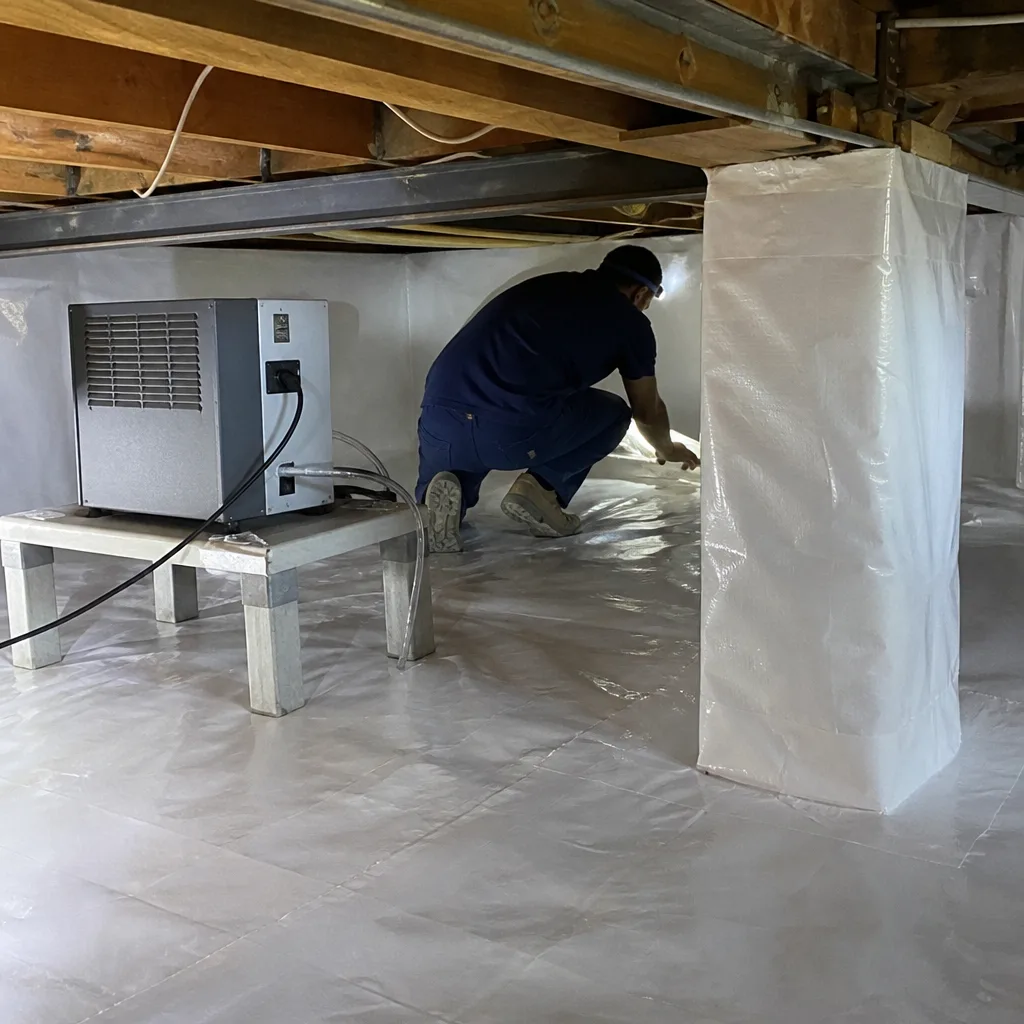
- Crawl space size and square footage: Most contractors price encapsulation on a per-square-foot basis, typically $3 to $7 per square foot for liner material and labor combined. A 900-square-foot crawl space is materially cheaper to encapsulate than a 1,600-square-foot one, even if the homes look similar from the street.
- Liner thickness (mil rating): A 6-mil polyethylene sheet is the minimum California code allows for a vapor retarder under California Residential Code Section R408. A 12-mil or 20-mil reinforced liner costs more upfront but resists foot traffic, pest intrusion, and the type of slow puncturing that happens when HVAC or plumbing contractors work in the crawl space after installation. In Westminster homes with older ductwork that still needs servicing, we typically recommend at least 12-mil.
- Crawl space condition and pre-work required: Westminster’s housing inventory includes a substantial number of homes built before 1975 with original vented crawl spaces. Many of those have torn or missing vapor barriers, accumulated cellulose debris, rodent nesting material, or isolated mold growth on the joists. Remediation before encapsulation is not optional in those cases - encapsulating over active mold traps moisture and accelerates the problem. Remediation adds $400 to $1,800 to the total, depending on extent.
- Access difficulty and crawl space height: A crawl space with 36 inches of clearance takes a fraction of the time to work in compared to one with 16 inches. Westminster homes built on shallow foundations, particularly in the older tracts south of Westminster Boulevard, regularly present clearances in that 14- to 20-inch range. Low clearance adds labor hours, which adds cost. Some jobs require hand tools only and cannot be done with a staple gun or liner roller - that affects both time and price.
- Ventilation strategy - open versus conditioned crawl space: California allows two approaches: a vented crawl space (with code-compliant cross-ventilation openings) or an unvented, conditioned crawl space where foundation vents are sealed and the space is treated as part of the building envelope. Converting from vented to unvented requires sealing each vent opening ($35 to $75 per vent), insulating the perimeter walls rather than the floor joists, and typically adding a dehumidifier or connecting the crawl to the HVAC return. The unvented approach generally performs better in Westminster’s climate but costs more upfront.
- Dehumidifier sizing and installation: A standalone crawl space dehumidifier sized for a 1,000-square-foot crawl volume typically costs $900 to $1,800 installed, depending on capacity and drainage configuration. Westminster’s coastal air means ambient humidity is rarely negligible - even with a fully sealed liner, a dehumidifier is often the difference between a dry crawl space and a damp one during the marine-layer months from May through September.
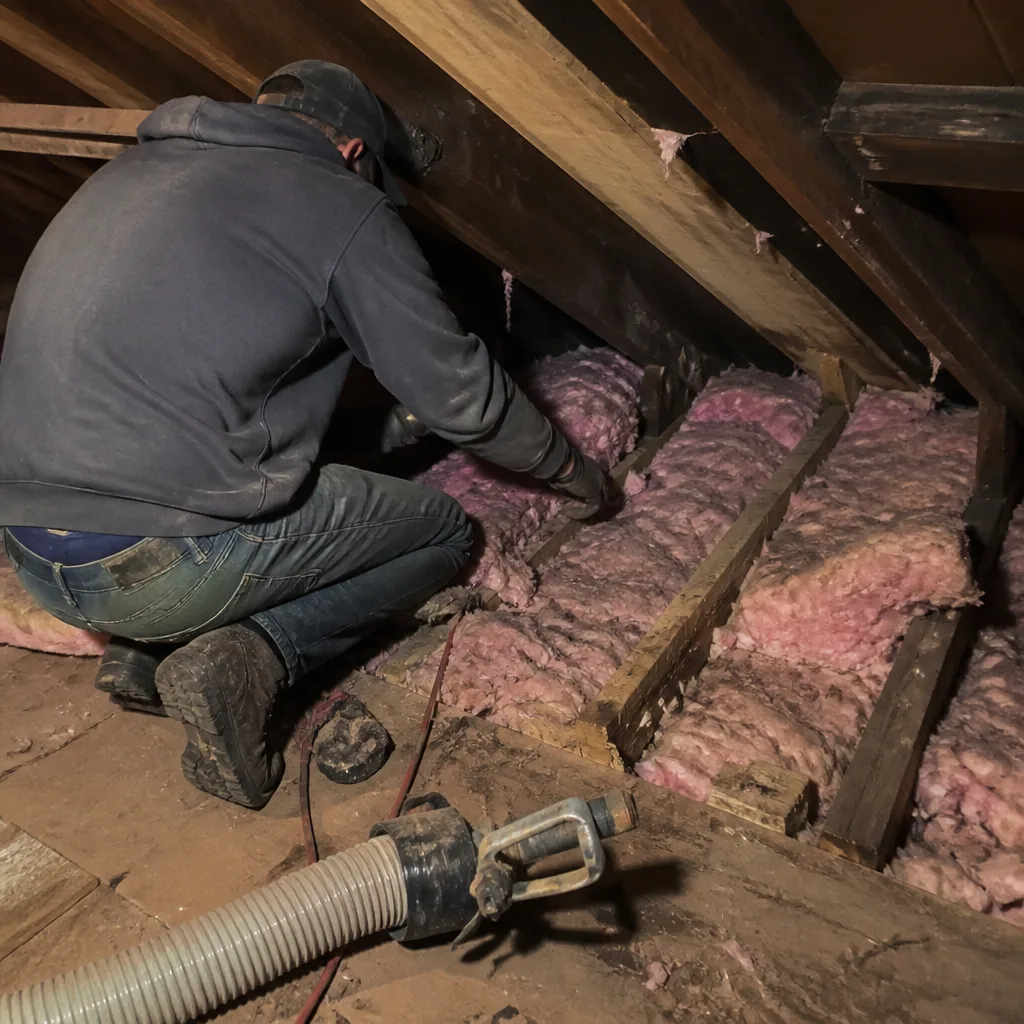 Before
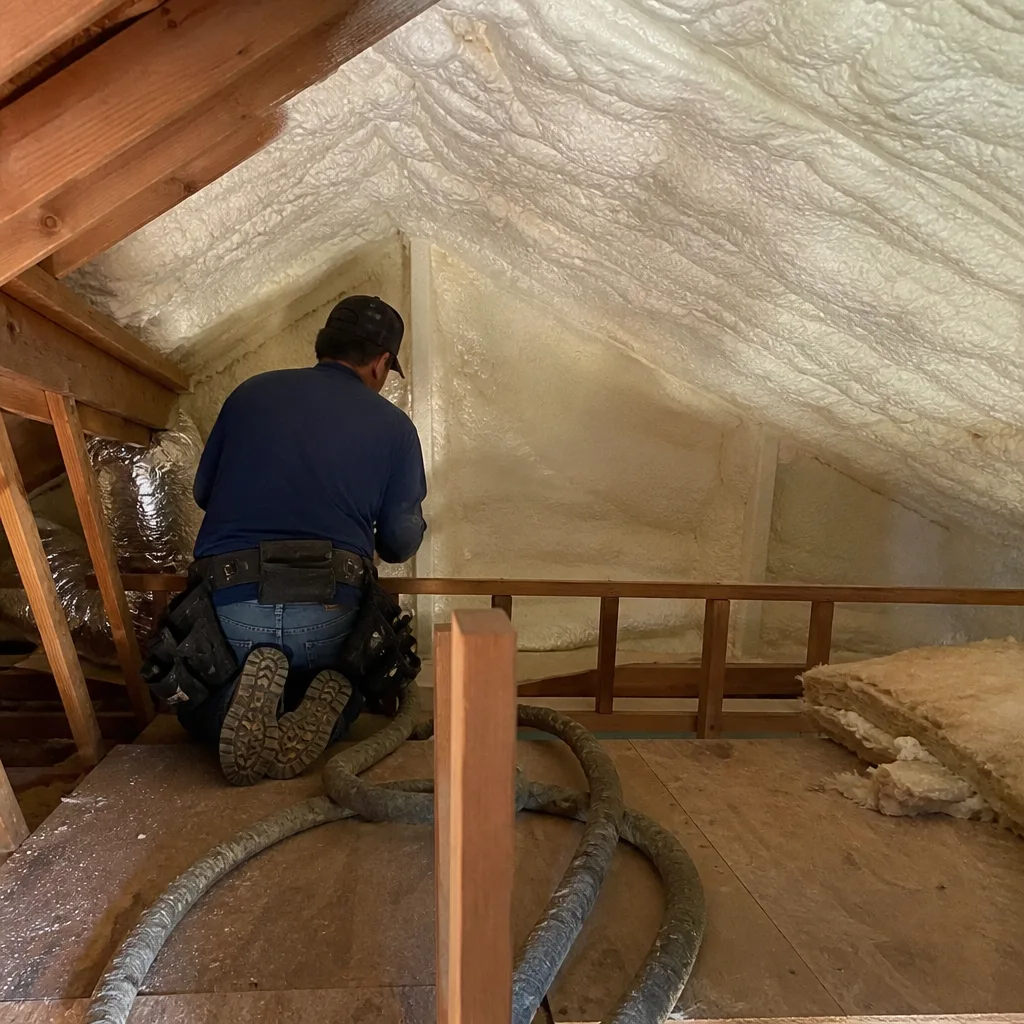 After
AfterWestminster-Specific Factors That Influence Your Cost
Westminster is worth discussing on its own terms rather than lumping it with generic Southern California pricing, because a few local factors genuinely move the needle.
First, the soil. Much of central Westminster sits on alluvial soil with relatively high capillary moisture - ground water doesn’t pool, but it wicks upward through the dirt floor consistently. A 6-mil liner on that soil performs noticeably worse over a five-year window than the same liner over compacted decomposed granite. That’s not a scare tactic; it’s what our documented photo records from jobs in the Midway City area and along Springdale Street show when we return for service visits.
Second, the age of the housing stock. Westminster’s residential neighborhoods were built largely in waves: post-war tracts in the 1950s and 1960s, a second push through the 1970s, and infill development through the 1980s and 1990s. The earliest tracts frequently have original vapor barriers installed under Nixon-era code, which specified materials and installation methods that modern California code no longer considers adequate. Bringing those homes into 2026 code compliance is not optional if you’re pulling a permit for a remodel - and crawl space encapsulation is one of the inspected items.
Third, permit requirements. In Westminster, a vapor barrier installation below a certain scope typically does not require a City of Westminster building permit - but converting a vented crawl space to an unvented configuration often does, because it changes the building’s ventilation strategy and may require a Title 24 compliance check. We document the permit status of every job in writing. If a permit is needed, that’s in the scope before work begins, not discovered afterward.
Our Crawl Space Encapsulation & Vapor Barrier in Westminster service page covers the full scope of what each job includes and how we document the work from first visit to completion.
How to Save on Crawl Space Encapsulation & Vapor Barrier in Westminster
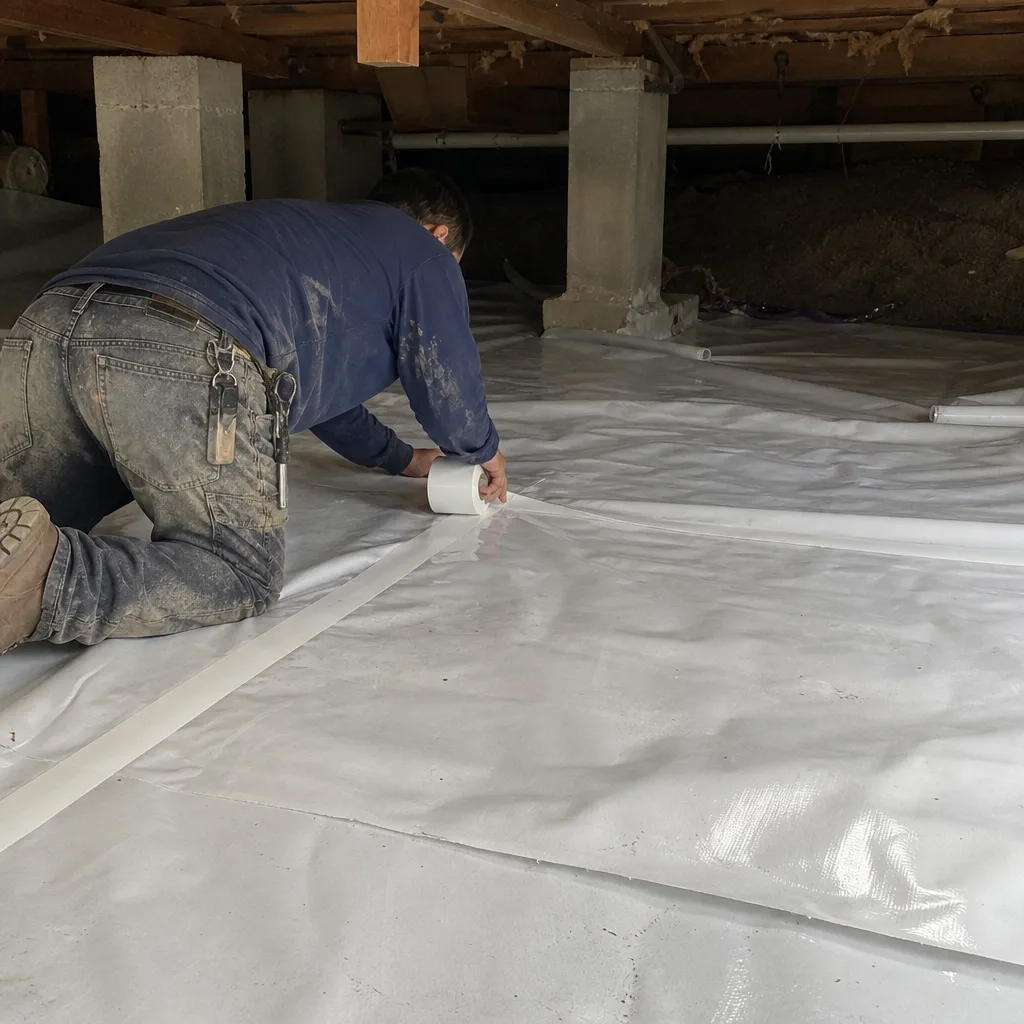
A few things genuinely reduce what you’ll pay without cutting corners on performance.
Get the estimate before conditions get worse. Ground moisture damage to joists and insulation is progressive. A crawl space with a minor vapor barrier failure in 2025 can have visible mold on the structural wood by 2027. The delta between a vapor barrier replacement job and a full remediation-plus-encapsulation job is often $2,000 to $3,500. Catching it early is cheaper, and our written estimates are free.
Bundle with insulation work when it makes sense. If the crawl space insulation is compromised, pulling it before encapsulating and replacing it after is a single mobilization rather than two. Labor costs for bundled work in Westminster typically run 15 to 20 percent less than scheduling the same work across two separate crews and two separate days. Our home page has an overview of our full building-envelope service line if you want to look at multiple scopes at once.
Ask for the written scope before you agree to anything. This sounds like basic consumer advice, but it has a real financial consequence: quotes that don’t specify liner thickness, square footage covered, how seams are handled, and what happens to existing debris are nearly impossible to compare. We’ve seen homeowners accept a quote for “crawl space encapsulation” that didn’t include liner at the walls or vent sealing, then receive a materially worse result than they expected. When you have the written scope in hand, you can compare it against any other written scope and see exactly where the dollar difference comes from.
Use our Free Second Opinion on any written estimate. If another contractor has given you a written quote, we’ll go through it line by line with you at no charge. We’re not trying to poach every job - we’re trying to make sure you understand what you’re buying. Sometimes a competitor’s quote is fair; sometimes it’s missing scope items that will cost you later. Either way, you’ll know before you sign anything.
Don’t over-specify if it isn’t warranted. A 20-mil liner in a crawl space with good clearance that’s used only for storage is more material than the job requires. A 12-mil liner properly installed and taped at the seams will outperform a 20-mil liner that’s loosely laid without seam sealing. Spend money on installation quality before you spend it on liner thickness. We’ll tell you the same thing in person.
To get a written price for your Westminster crawl space, call us at (562) 526-6978. We send a technician, measure the space, assess the condition, and hand you a flat written price before we leave. No follow-up call, no waiting for an email estimate, no range that magically widens when the crew arrives.
FAQs – Crawl Space Encapsulation & Vapor Barrier Cost in Westminster
How much does crawl space encapsulation cost in Westminster, CA?
Full crawl space encapsulation in Westminster costs between $3,200 and $8,500 for most single-family homes, with the majority of jobs falling in the $4,500 to $6,000 range when the crawl space is in average condition and measures between 800 and 1,500 square feet. Jobs that require pre-remediation, a dehumidifier, or insulation replacement will land toward the higher end of that range. Call (562) 526-6978 for a free written estimate specific to your home’s square footage and condition.
Is a vapor barrier the same as full encapsulation?
No. A vapor barrier is a ground cover – typically 6-mil to 20-mil polyethylene sheeting – laid on the dirt floor to slow moisture migration from the soil. Full encapsulation covers the floor and the perimeter foundation walls, seals all penetrations and vents, and typically includes a dehumidifier or conditioned-air connection to manage residual moisture. A vapor barrier alone costs $1,200 to $2,800 in Westminster; full encapsulation starts around $3,200 and goes up from there based on size and scope.
Does Westminster require a permit for crawl space encapsulation?
A basic vapor barrier replacement or upgrade typically does not require a City of Westminster building permit. Converting a vented crawl space to an unvented, conditioned crawl space usually does require a permit, because it modifies the building’s ventilation strategy and may trigger a Title 24 energy compliance review. We specify permit requirements in writing as part of every job scope before any work starts – that determination is made at the estimate visit, not guessed at afterward.
How long does crawl space encapsulation take in Westminster?
Most Westminster crawl space encapsulation jobs are completed in one to two days. A straightforward vapor barrier installation on a clean, accessible crawl space can be done in half a day. Full encapsulation with dehumidifier installation on a larger or lower-clearance crawl space typically runs two full days. Jobs that require pre-remediation – mold treatment, debris removal, damaged insulation removal – add time and are scheduled in a separate phase so the crawl space can dry before the liner goes in.
Is it cheaper to repair or replace a damaged vapor barrier?
It depends on the extent of the damage, but the math usually favors replacement over patching when more than roughly 30 percent of the liner is torn, displaced, or missing. Patching a 6-mil liner that’s 20 years old and brittle is labor-intensive and rarely holds as long as new material. In Westminster, a full vapor barrier replacement typically costs $1,800 to $2,800 for a standard crawl space – often less than the cumulative cost of two or three service calls to re-patch the same liner over five years. We’ll assess the existing condition at the estimate and tell you the honest answer. Call (562) 526-6978 for a free written assessment.
Does encapsulation actually reduce energy costs in Westminster?
Yes, measurably – but the degree depends on how leaky the floor assembly was before the work. In Westminster homes where the crawl space joist bays had deteriorated or missing insulation, we’ve documented before-and-after blower-door readings – a pressurization test that shows, in one number, how much conditioned air a home’s building envelope is losing – that showed a 15 to 25 percent reduction in air leakage after encapsulation and Crawl Space Insulation replacement. That translates to a lower cooling load during Westminster’s summer peak-usage months and a smaller gas bill during the short but real heating season. The blower-door numbers are documented and handed to the homeowner; the claim isn’t ours to make without the data to back it.
What the Job Looks Like From Estimate to Completion
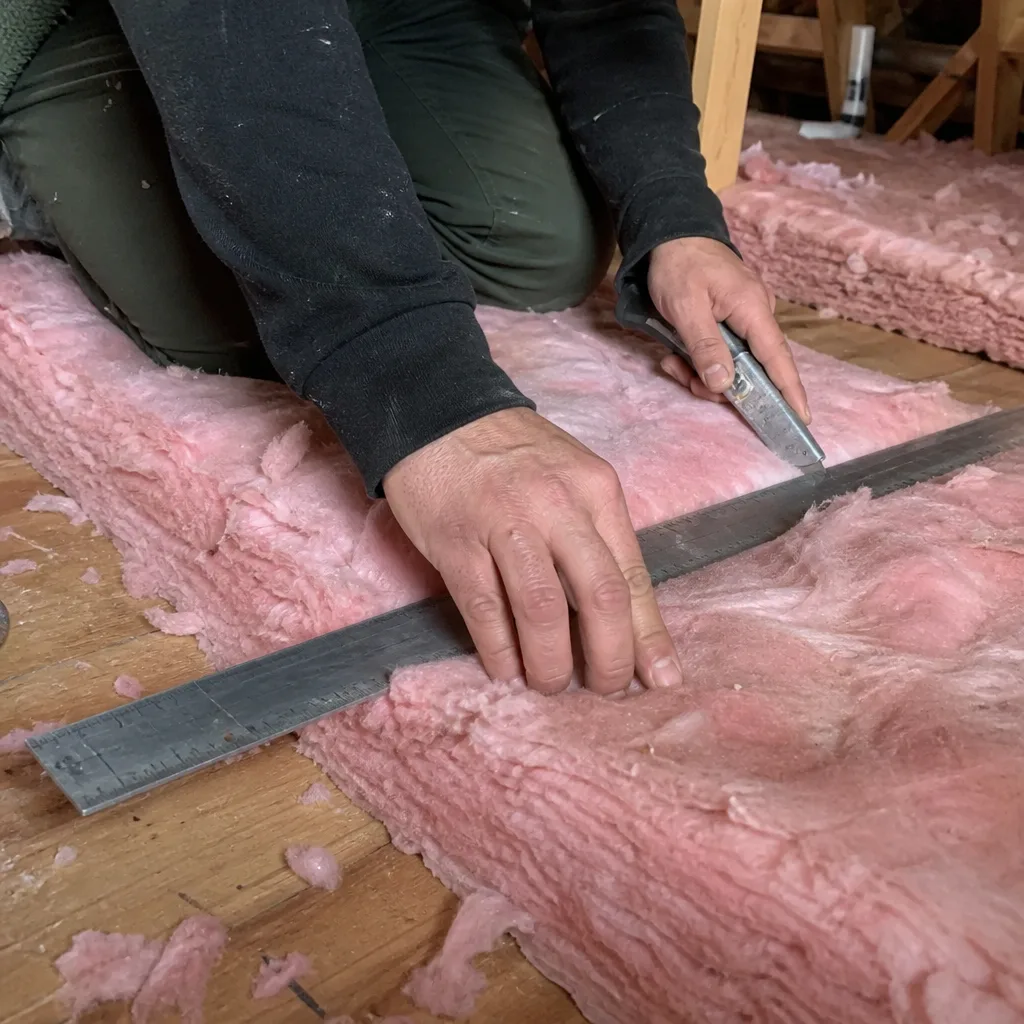
We’ve found that Westminster homeowners who know exactly what to expect at each phase are easier to work with – and end up happier with the result – than homeowners who are surprised by the process. So here’s what each phase looks like when you hire Envelope Insulation Co. for a crawl space job.
The estimate visit. A named technician comes to your Westminster home, accesses the crawl space, measures the square footage, assesses liner condition, clearance, moisture indicators, and existing insulation. That visit produces a flat written price with a written scope. The scope specifies liner mil rating, coverage area, what happens to existing debris, whether penetrations and vents are included, and what the finished documentation will look like. That price doesn’t change unless the scope changes, and any scope change is documented before it happens. Under Haven Standard Clause 1, no work starts without the written price in your hand.
The work day. Background-checked, uniformed technicians arrive on the scheduled day. You receive a text when they are on the way – no showing up between 8 a.m. and 5 p.m. and hoping. The crew works through the job in sequence: debris removal if applicable, any mold treatment if applicable, liner installation and seam taping, vent or penetration sealing, dehumidifier installation if included. They do not rush past the seam taping to finish earlier. In crawl spaces where Wes Okafor or another lead technician identifies something that doesn’t match the estimate scope – a section of joist damage that wasn’t visible at the estimate, for example – the crew stops, photographs it, and calls before doing anything different from the written scope.
The close-out documentation. At the end of every job, the homeowner receives a Documented Photo Record – photos of the crawl space before work began, during liner installation, and after completion, including close-ups of seam taping and vent sealing. If a blower-door test was part of the scope, before-and-after readings are included in that documentation. The 365-Day Done Right Promise applies from that date: if anything covered by the scope isn’t performing correctly within 365 days of completion, we return and correct it at no charge. That promise is in writing before the crew leaves.
Crawl Space Encapsulation vs. Vapor Barrier: Which Does Westminster Need?
This is the most common question we get from Westminster homeowners who’ve started researching the topic and found conflicting information. The short answer: it depends on whether your crawl space is vented or unvented, and what you’re trying to achieve.
A vapor barrier on a vented crawl space is a code-compliance measure. It slows moisture migration from the soil into the crawl space air – but if the vents are open, that air is communicating with the outside anyway. A vapor barrier under those conditions provides meaningful protection against ground moisture reaching the wood framing, but it doesn’t turn the crawl space into a dry, conditioned environment.
Full encapsulation – sealing the liner to the walls, closing the vents, and conditioning or dehumidifying the space – converts the crawl space from an outside-adjacent environment into part of the building’s thermal envelope. In Westminster’s climate, where ground moisture is persistent and summer humidity spikes occur with the marine layer, an encapsulated crawl space maintains measurably lower relative humidity than a vented one with a ground liner only.
Which one is right for your home depends on your foundation configuration, your HVAC setup, and what condition the crawl space is in today. We assess all three at the estimate visit and give you a written recommendation along with the written price. You don’t need to know the answer before you call.
Key Takeaways
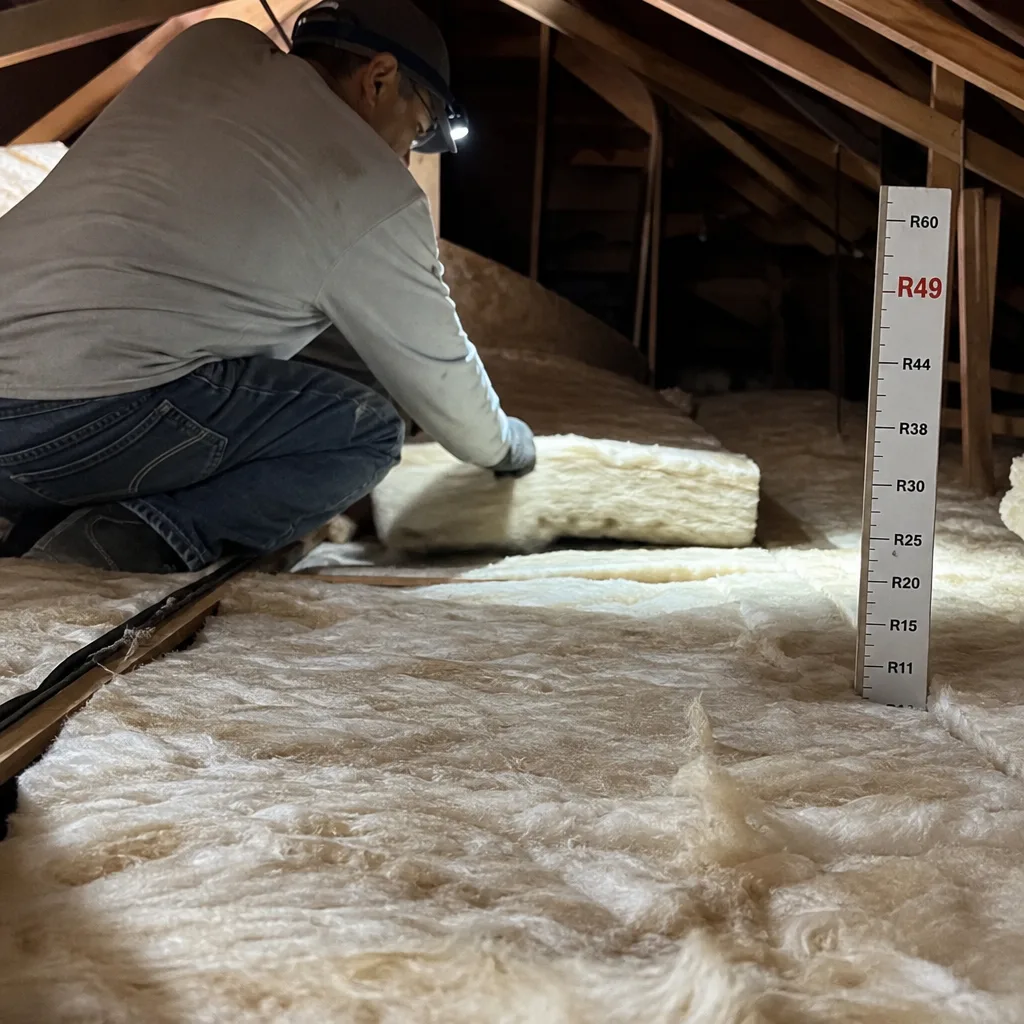
- Vapor barrier only in Westminster: $1,200 to $2,800, depending on liner thickness and crawl space size.
- Full encapsulation in Westminster: $3,200 to $8,500, with most jobs between $4,500 and $6,000.
- Pre-remediation (mold, debris) adds $400 to $1,800 when conditions require it.
- Westminster’s coastal-adjacent soil and older housing stock (much of it pre-1975) make liner quality and seam sealing more consequential than in inland markets.
- Converting a vented crawl space to an unvented one may require a City of Westminster permit – this is determined at the estimate visit and documented in writing.
- A written price before any work starts is not optional here – it’s how every job begins, no exceptions.
- Every job closes with a Documented Photo Record and is covered by the 365-Day Done Right Promise.
Get a Written Estimate for Your Westminster Crawl Space
If you’re trying to figure out what encapsulation or a vapor barrier will actually cost for your home specifically, the most useful thing we can do is send someone to look at it. Wes Okafor leads every assessment team, and the technician who visits your Westminster home will give you a flat written price before leaving – not a range, not a follow-up email, not a “we’ll call you.” A written price, in your hand, covering exactly the scope of work we’ll perform.
Call (562) 526-6978 to schedule a free estimate. A live person answers – no voicemail, no callback window. If you’d prefer to text first, that works too. We’ll confirm a time, send you the technician’s name before they arrive, and have a written price ready before anyone lifts a tool.
Pricing reflects the Westminster, CA market as of 2026. Written by Wes Okafor, Owner at Envelope Insulation Co., serving Westminster since 2016.
Topside Attic Insulation Westminster offers free estimates – call (562) 526-6978 for a written price on your crawl space encapsulation or vapor barrier project.
What Our Customers Say
"They air-sealed the attic floor before insulating and showed me the blower-door number before and after. The upstairs is finally the same temperature as downstairs."
- Marisol D."They photographed rodent damage in the old insulation that we had no idea about, and priced the exclusion work separately so we could decide."
- Harriet N."The winter gas bill dropped by about a third. They had estimated a quarter, so they under-promised."
- Genevieve R.