
Icynene Radiant Barrier Installation: The Westminster Owner’s Guide
Icynene radiant barrier installation in Westminster typically runs $2,800-$4,200 for a standard 1,500 sq ft attic, and we stock the full Icynene-compatible radiant barrier line for same-day starts on most jobs. Most Westminster homeowners discover theirs is failing when their upstairs rooms won’t cool below 78°F even with the AC running flat out, or when their summer electric bills jump 30-40% against the prior year. The radiant barrier foil has either delaminated, pulled loose at the stapling points, or been compromised by a rodent infestation in the attic that no one checked for first.
Which Icynene Models This Applies To
Icynene doesn’t manufacture standalone radiant barrier products under its own label. What Westminster homeowners are usually looking for is the radiant barrier assembly installed alongside or over Icynene open-cell or closed-cell spray foam systems, most commonly in attics where Icynene LD-C-50, Icynene MD-C-200, or the newer Icynene ProSeal LE series was applied. The critical compatibility gotcha: if your Icynene foam was sprayed directly to the roof deck (an unvented “hot roof” assembly), the radiant barrier goes on the attic floor over the top plates, not on the underside of the roof. Stapling foil to a foam-coated deck traps moisture and voids every warranty involved.
To identify what you have, check the spray-foam surface for the Icynene batch label - a small metal tag or ink stamp with the product code and install date. The radiant barrier paired with these systems is typically a perforated, double-sided aluminum foil laminate, ASTM C1313 compliant, with a center core of woven polyethylene or scrim. We stock both the OEM-grade foil (0.0065″ thickness, 97% emissivity rated) and a quality aftermarket equivalent from Reflectix that meets the same spec at a lower per-roll cost. For Westminster’s marine climate, we spec perforated foil only; non-perforated traps the humidity that rolls in from Huntington Beach on summer mornings.
Signs Your Icynene Radiant Barrier Installation Is Failing
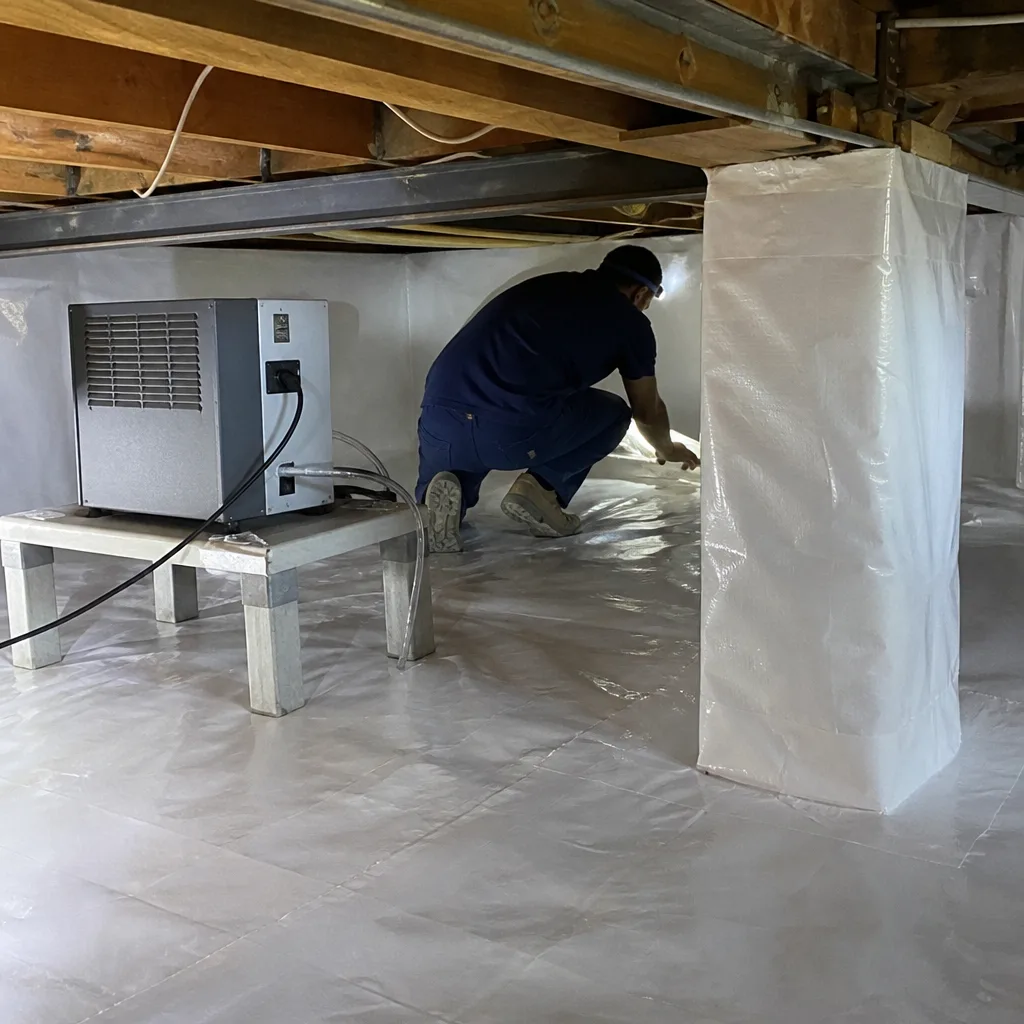
- Upstairs rooms stay hot past 9 PM. The radiant barrier’s job is to reflect infrared heat back toward the roof deck before it radiates into your living space. When the foil tears, oxidizes, or pulls loose, that heat sinks into the attic insulation below. In Westminster’s August heat, we’ve measured attic floor temperatures of 140°F where the barrier failed versus 95°F where it’s intact.
- Electric bills spike June through October. A failed radiant barrier forces your AC to compensate for radiant heat gain the barrier used to block. We see this most in the neighborhoods east of Beach Boulevard, where the 1960s-70s ranch homes have minimal original attic insulation and the Icynene-plus-barrier assembly was added later as a retrofit.
- Foil visible from attic access is dusty, brittle, or flaking. Aluminum oxidizes slowly in attic air, but the real killer is the combination of Westminster’s salt air infiltration and attic humidity above 60%. The foil surface turns chalky white; emissivity drops from 0.03 to 0.15 or higher, which means it’s absorbing heat instead of reflecting it.
- Staples have pulled through or the foil sags in sheets. This happens when the original installer used standard T50 staples instead of the wider-crown T75 or cap-nail fasteners spec’d for overhead foil. In the older Westminster homes near Little Saigon, we’ve found entire 4×8 sections lying on top of blown-in insulation, doing nothing.
- You smell mustiness or see staining on the ceiling drywall below. A compromised barrier can create a condensation plane where humid attic air hits the cooler foil surface. The perforations are supposed to let moisture pass; when they’re clogged with dust or the wrong non-perforated product was used, water collects and migrates downward.
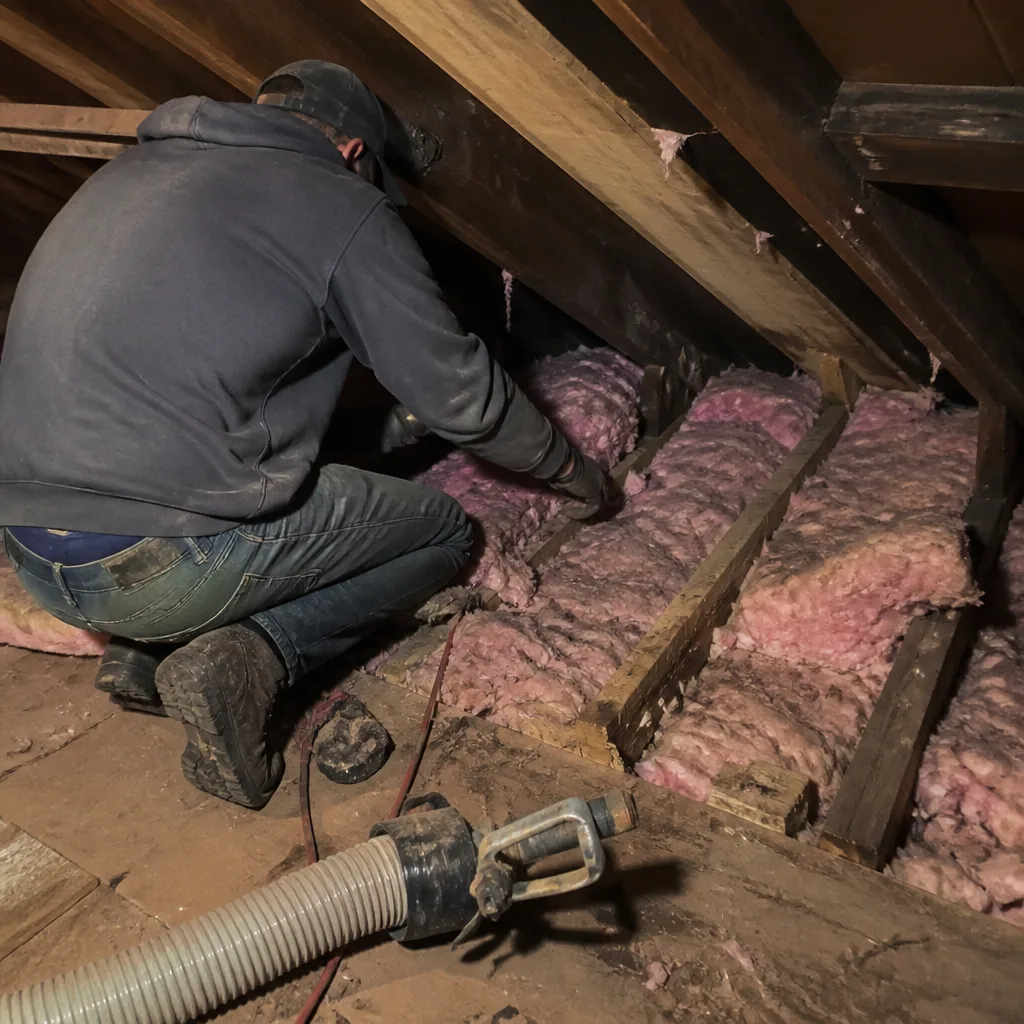 Before
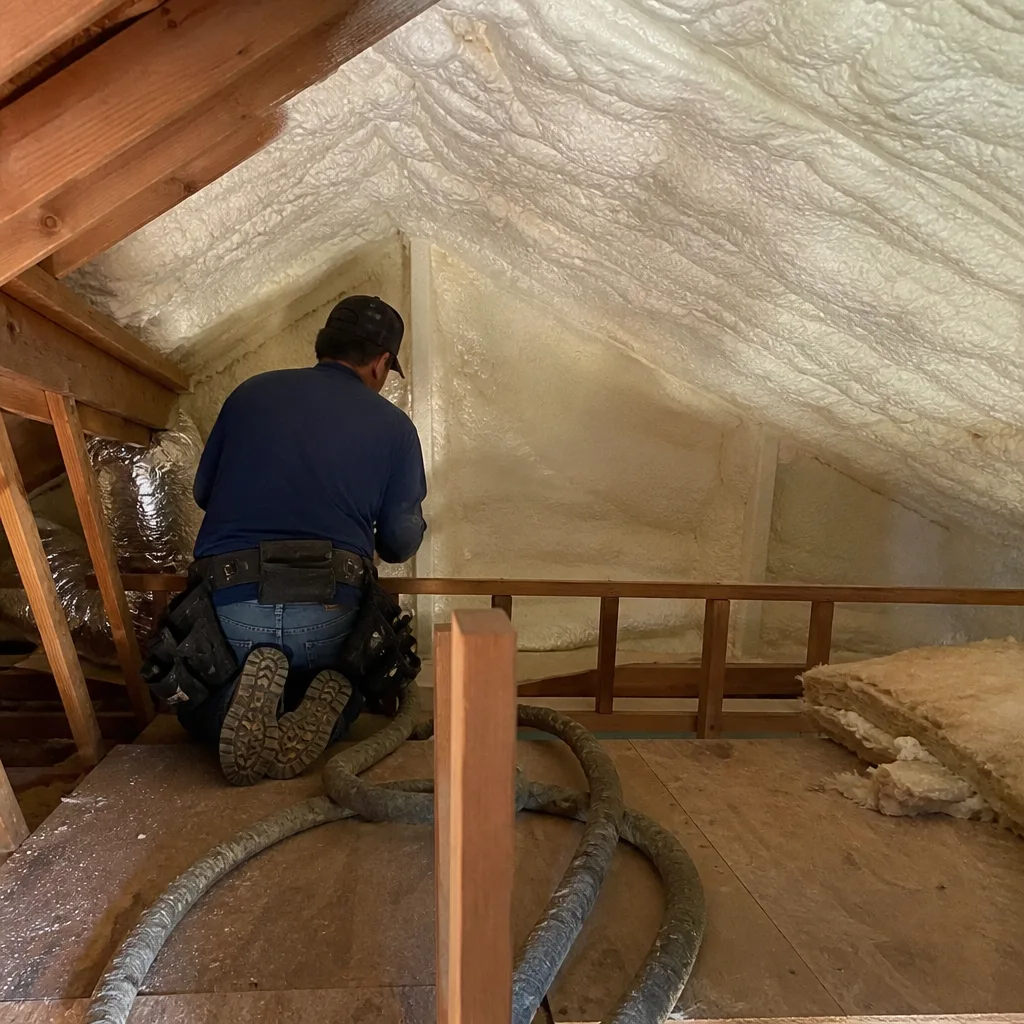 After
AfterReplacement Cost & What’s Included
| Component | Westminster Price Range |
|---|---|
| Perforated radiant barrier foil, installed (1,500 sq ft attic) | $2,800 - $3,600 |
| Perforated radiant barrier foil, installed (2,500 sq ft attic) | $3,800 - $4,200 |
| Attic air sealing (top plates, can lights, penetrations) - required prerequisite | $800 - $1,400 |
| Removal of failed foil and disposal | $400 - $600 |
| Rodent damage remediation if needed | $600 - $1,200 |
The range depends on three things: attic square footage, whether we can walk the joists or need rolling planks, and what we find when we pull the old foil. If your Icynene foam was sprayed over an unsealed attic floor, we stop and seal first. Seal the bypasses first. The R-value on the bag is only real if the air has nowhere else to go. Every job closes with a Documented Photo Record showing the new barrier installation, fastener pattern, and settled condition. The 365-Day Done Right Promise covers the workmanship; material defects fall to the manufacturer’s warranty, which we register for you.
DIY or Call Us?
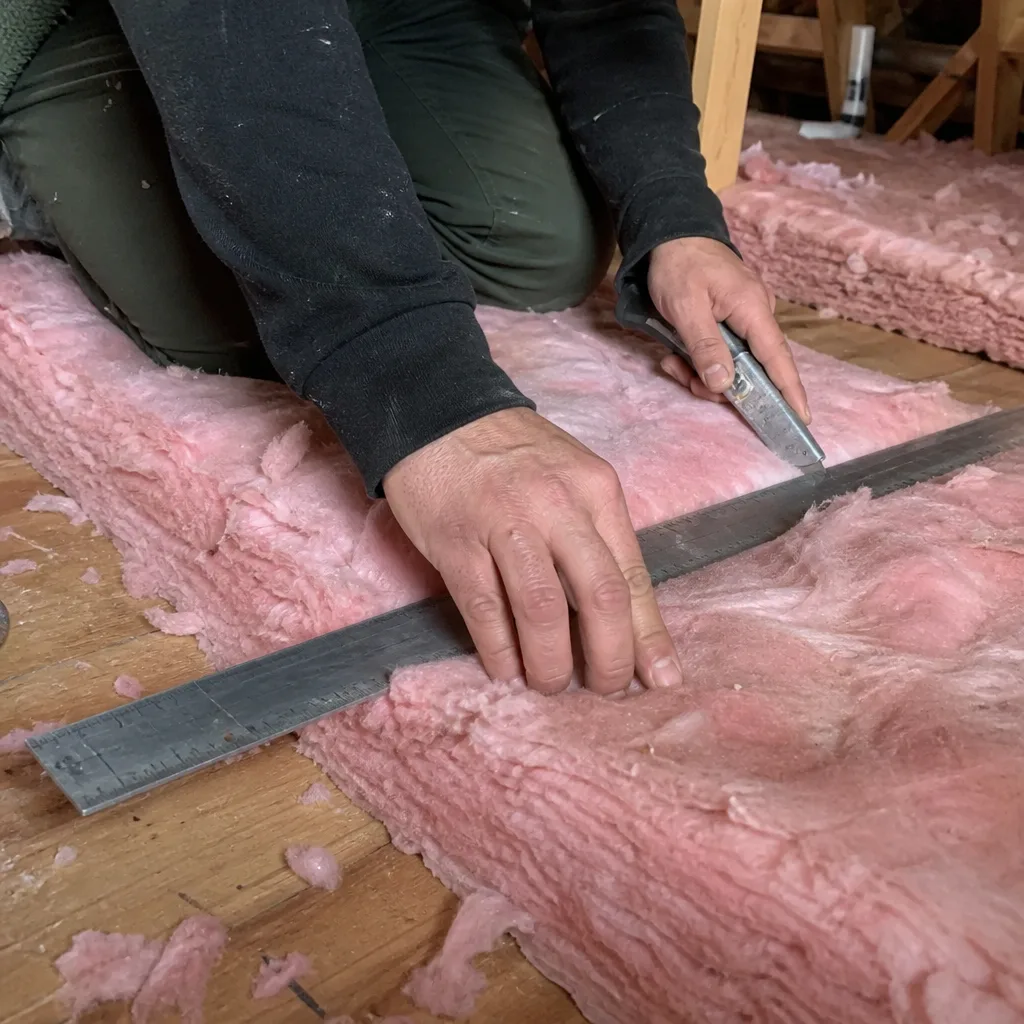
There’s no high-tension danger in radiant barrier work, but there are two ways DIY goes wrong in Westminster attics. First, most homeowners don’t own a proper staple gun with the reach and fastener crown for overhead work; they use a hand tacker, the foil sags within a season, and they’re back at square one. Second, without a blower-door test, you can’t tell if your top plates and can-light housings are leaking conditioned air straight through the new barrier. We’ve pulled foil that looked perfect and found the attic still hitting 130°F because the air was bypassing it through a 2-inch gap at the electrical chase.
What you can safely check: look at the foil surface with a flashlight. If it’s chalky white, torn, or lying on the insulation, it’s done. If the staples are visible and the foil is taut and reflective, it’s probably fine. For everything else, call (562) 526-6978. We bring the right fasteners, the blower door, and the photo documentation.
FAQs
In Westminster’s marine-influenced climate, a properly installed perforated aluminum radiant barrier lasts 15-25 years before oxidation and salt-air degradation reduce performance. Non-perforated or poorly fastened installations often fail in 5-8 years. Call (562) 526-6978 for a free attic inspection - estimates are free.
Small tears in otherwise sound foil can be patched with aluminum foil tape rated for high-temperature exposure, but sagging sections, widespread oxidation, or staple-pull failures require full replacement. We don’t patch over systemic installation errors; the labor to do it twice costs more than doing it right once. Call (562) 526-6978 for an exact quote - estimates are free.
Most residential attic replacements in Westminster take one full day for removal and reinstallation, plus a half day if air sealing is needed. We schedule the blower-door test for the morning of day two to verify the assembly before we leave. Call (562) 526-6978 to check availability - we stock the foil and can often start within 48 hours.
Yes. We carry rolls of perforated ASTM C1313 foil in 48-inch and 60-inch widths, plus the T75 staplers and cap nails spec’d for overhead installation. We also stock Reflectix equivalents for homeowners who want the same performance at a lower material cost. Call (562) 526-6978 to confirm current stock for your attic size - estimates are free.
Topside Attic Insulation Westminster is an independent service provider; we are not affiliated with Icynene, Owens Corning, Johns Manville, Knauf, Rockwool, CertainTeed, Demilec, or GreenFiber. We source materials from these manufacturers based on job-specific suitability, not exclusive arrangements.
Written by Wes Okafor, Owner & Lead Insulation Technician, Topside Attic Insulation Westminster at Topside Attic Insulation Westminster, serving Westminster and nearby areas.