
Knauf Crawl Space Encapsulation: The Westminster Owner’s Guide
Knauf crawl space encapsulation installed in Westminster typically runs $3,800-$6,200 for a standard 1,200-square-foot crawl space, and we stock the full Knauf vapor barrier and sealing system for same-day starts on most jobs. Most Westminster homeowners discover their encapsulation has failed when they notice musty odors returning after a dry winter, or when they pull back a corner of the polyethylene and find condensation beading underneath where the seam tape has delaminated. The Knauf system relies on a 12-mil or 20-mil reinforced polyethylene barrier with closed-cell spray foam or acrylic tape at the seams, and failure usually starts at the perimeter where the barrier meets the foundation wall, not in the field of the sheet.
Which Knauf Models This Applies To
Knauf does not sell crawl space encapsulation as a single branded “system” with a model number. Instead, the Knauf components we match are the Knauf Insulation vapor barrier polyethylene (typically 12-mil or 20-mil reinforced, sometimes labeled Knauf Moisture Protection or distributed through Knauf’s building envelope channel) and the Knauf-recommended seam tapes and fasteners used in conjunction with their insulation products. The critical identification step is reading the mil thickness and reinforcement pattern stamped on the barrier edge, and checking whether the original installer used Knauf’s specified acrylic seam tape or substituted a generic product that degrades faster in Westminster’s marine-influenced humidity cycles.
The OEM-versus-aftermarket decision here is straightforward: Knauf-specified 20-mil reinforced polyethylene with a woven core costs more per roll than commodity 6-mil sheeting, but the woven reinforcement prevents the tearing we see at perimeter fastening points in Westminster’s older slab-on-grade homes near Little Saigon, where seasonal clay soil movement shifts the foundation slightly. We also stock Reflectix as an alternative radiant barrier layer where the crawl space has ductwork running through it and the homeowner wants to reduce radiant heat gain in summer. Topside Attic Insulation Westminster is an independent service provider, not affiliated with Knauf or Reflectix.
Signs Your Knauf Crawl Space Encapsulation Is Failing
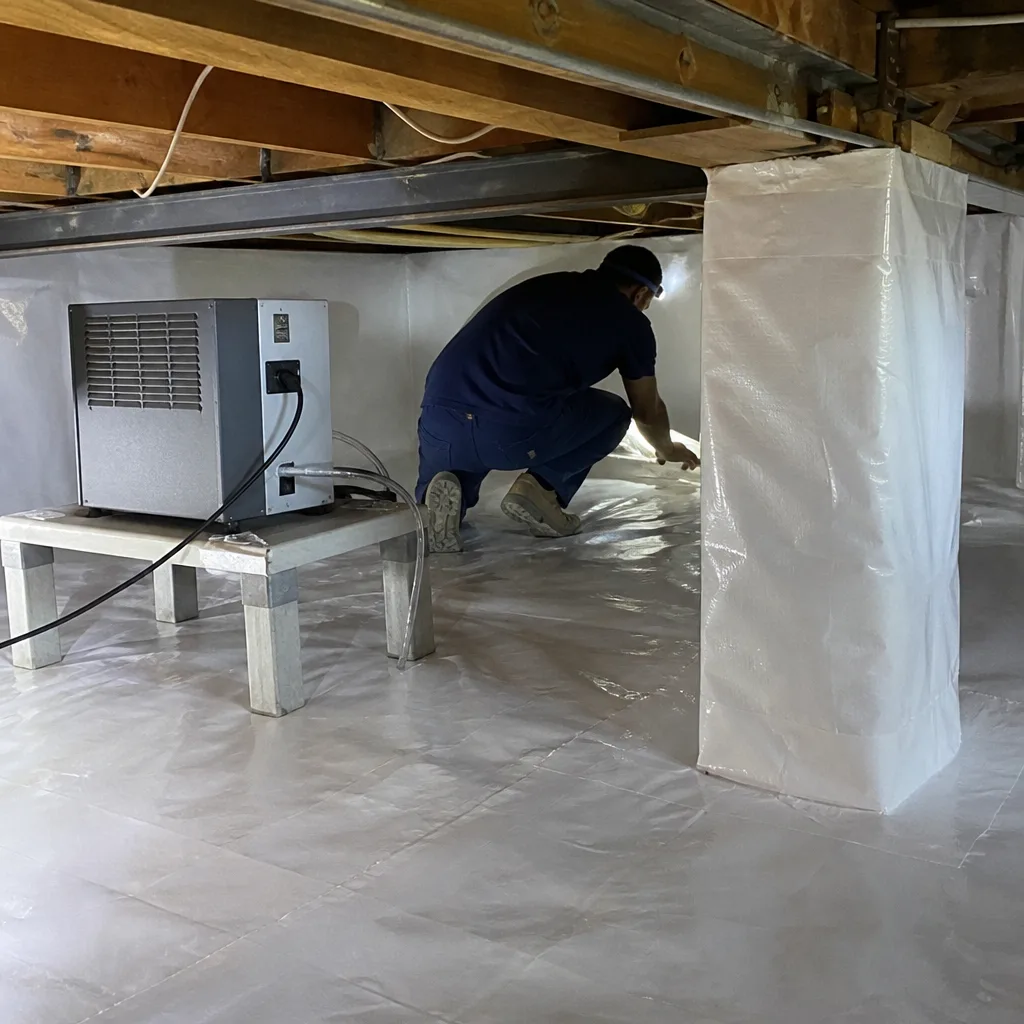
- Condensation reappears on the barrier underside. This means the seam tape or closed-cell foam edge seal has lost adhesion, letting warm moist air from the crawl space hit the cooler ground-contact side. In Westminster’s climate, this happens faster where winter morning dew points sit high and summer marine layers keep soil temperatures low.
- Musty odor returns in the living space above. The encapsulation’s primary job is blocking soil gas and moisture; when the barrier fails, relative humidity in the crawl space climbs back above 60%, and mold colonizes joist bays or the subfloor above. We smell this first in bathrooms and kitchens where vent stacks pass through.
- Barrier pulls away from foundation walls at the perimeter. This is mechanical failure of the fastening system, usually poly fasteners shot into powdery old concrete or termite-damaged sill plates. Westminster’s 1950s-1970s tract homes near Westminster Mall are especially prone to this; the original fasteners were often undersized for the tension of a properly stretched barrier.
- Puddling in the crawl space after light rain. If the encapsulation was installed over a dirt floor without first addressing bulk water intrusion, the barrier acts as a swimming pool liner. This is not a barrier material failure but a system design failure, and Knauf’s published guidance explicitly calls for drainage or sump pump resolution before barrier placement.
- Insulation sagging above the barrier. When Knauf fiberglass batts are installed in joist bays above a failing encapsulation, they absorb moisture, compress, and lose R-value. We’ve pulled batts in Westminster crawl spaces that weighed triple their dry weight and tested at R-8 instead of their labeled R-19.
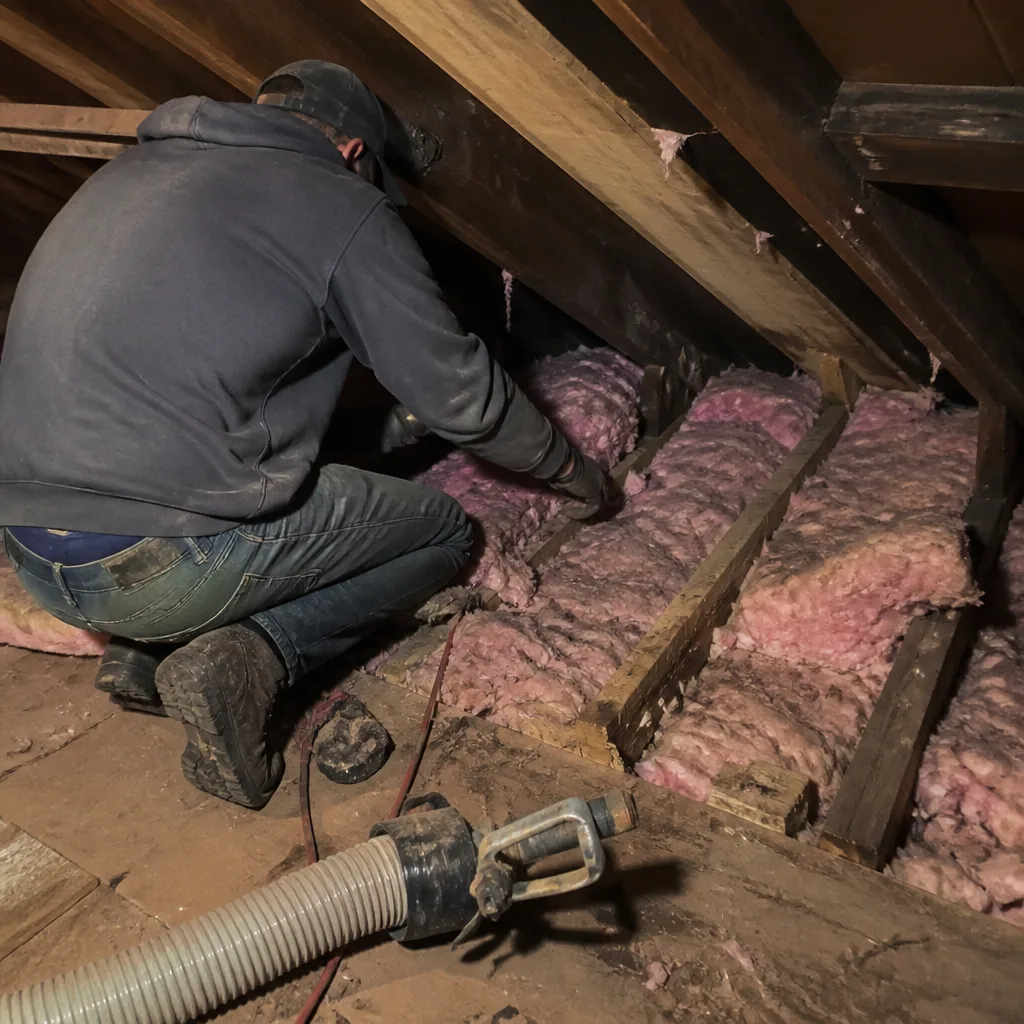 Before
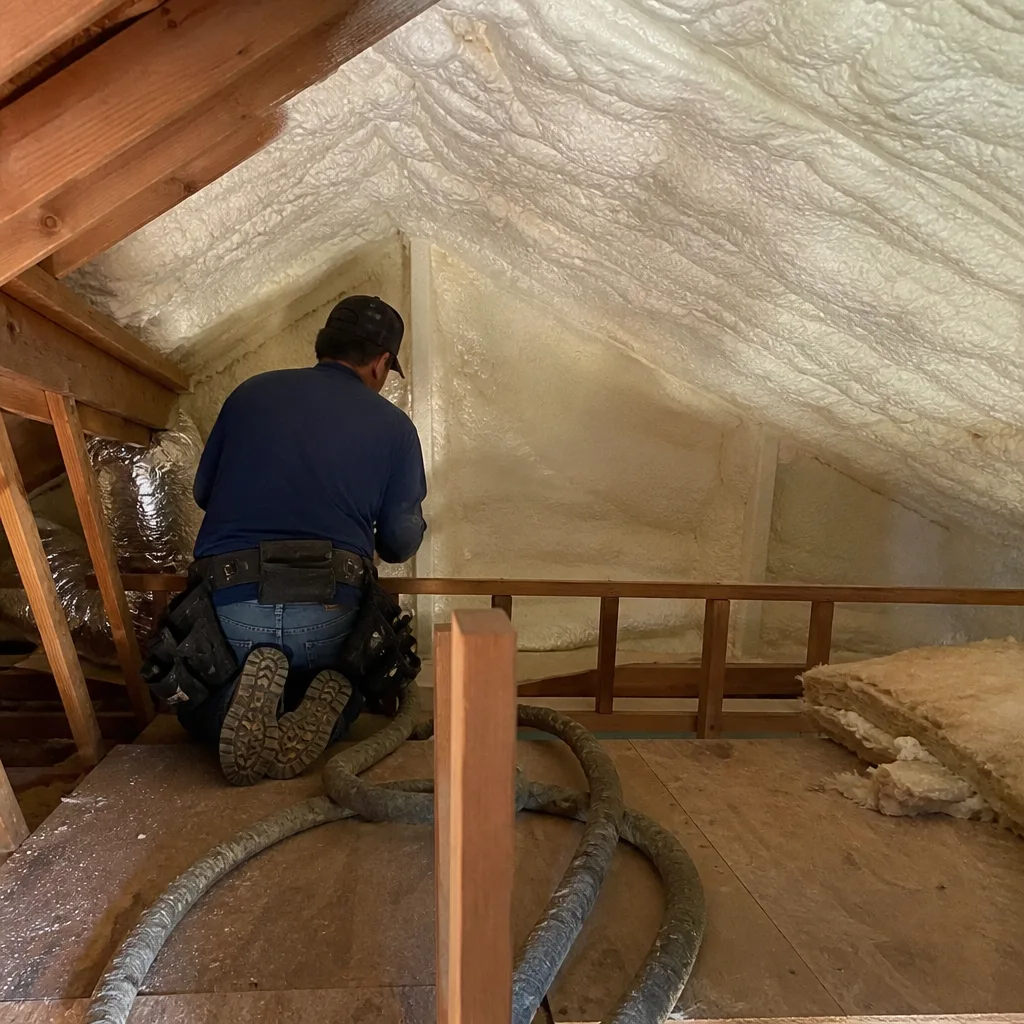 After
AfterReplacement Cost & What’s Included
Most full Knauf crawl space encapsulation replacements in Westminster fall between $3,800 and $6,200 for a 1,000-1,500 square foot crawl space. The lower end assumes accessible height (18 inches or more), intact perimeter fastening surfaces, and no active water intrusion to resolve first. The upper end covers tight crawl spaces requiring hand removal of the old barrier, sill plate repair or sistering, installation of a sump pump or French drain, and the 20-mil reinforced barrier upgrade over standard 12-mil.
| Component | Price Range |
|---|---|
| 12-mil Knauf-compatible reinforced barrier, installed | $2.80-$3.40/sq ft |
| 20-mil Knauf-compatible reinforced barrier, installed | $3.60-$4.20/sq ft |
| Perimeter seam sealing (acrylic tape + closed-cell foam) | $480-$720 |
| Sump pump installation (if needed) | $1,200-$1,800 |
| Old barrier removal and disposal | $380-$580 |
Every encapsulation job we complete includes a Documented Photo Record showing pre-condition, seam detail during installation, and final barrier placement. Under our 365-Day Done Right Promise, if seam tape lifts or perimeter fastening fails within a year, we return and repair at no charge. We provide a Written Price Before Any Work Starts on every job, no exceptions, and we offer a Free Second Opinion on any competing written estimate.
DIY or Call Us?
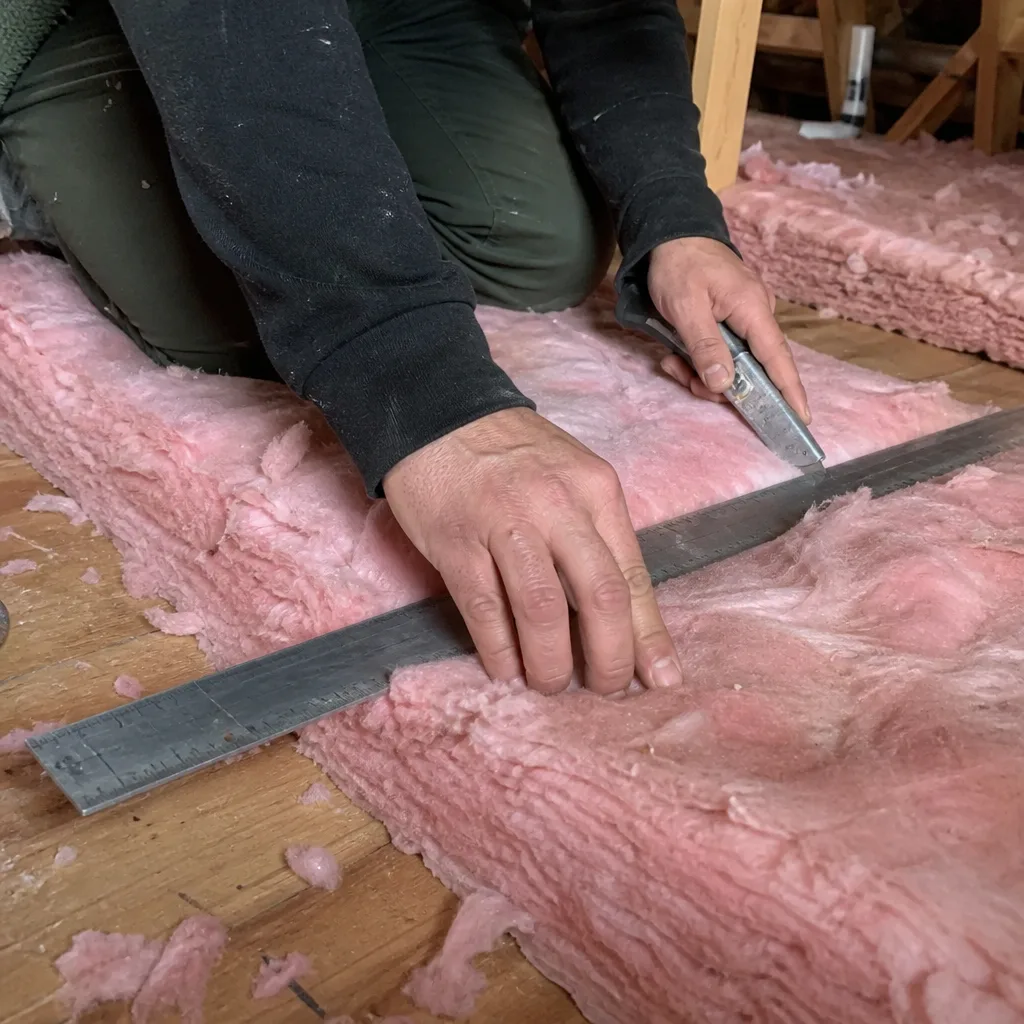
There is no high-tension danger in crawl space encapsulation like there is with garage door springs or electrical panels, but there are genuine health and structural risks worth naming. A homeowner can safely inspect their own crawl space with a flashlight, measuring tape, and respirator rated for fiberglass and mold, checking mil thickness of the existing barrier and photographing seam condition. What goes wrong in DIY is almost always the prep: failing to resolve bulk water first, installing barrier over wet soil, or using the wrong tape that releases in Westminster’s humidity cycles within 18 months.
We carry Knauf-compatible 12-mil and 20-mil reinforced barrier, acrylic seam tape, and closed-cell perimeter foam on our truck. Most Westminster encapsulations we start Monday through Thursday are completed same-day or next-day. Call (562) 526-6978 for a written price before any work starts.
FAQs
Properly installed Knauf-compatible 20-mil reinforced barrier with acrylic seam tape typically lasts 15-20 years in Westminster’s climate, though we’ve seen 6-mil non-reinforced DIY installations fail in 3-4 years at perimeter fastening points. The marine layer moisture and clay soil movement near the Santa Ana River corridor accelerate mechanical stress at foundation walls. Call (562) 526-6978 for an exact quote on your crawl space - estimates are free.
Spot repairs work if the failure is isolated to one or two seam lifts or a small perimeter section, but we only recommend this when the existing barrier is 20-mil reinforced and less than 8 years old. If the barrier is 12-mil, extensively taped already, or showing field tears, patching creates more seams that become future failure points. Call (562) 526-6978 and we’ll inspect to determine whether repair or full replacement is the honest recommendation.
Most full replacements in Westminster take one to two days: half a day for old barrier removal and surface prep, half a day for new barrier installation and seam sealing. Jobs requiring sump pump installation or sill plate repair add a second day. We provide a written schedule with the written price before work starts. Call (562) 526-6978 for availability.
Yes. We stock 12-mil and 20-mil Knauf-compatible reinforced polyethylene barrier, acrylic seam tape rated for damp substrate application, closed-cell spray foam for perimeter sealing, and mechanical fasteners appropriate for Westminster’s common foundation types. For jobs requiring Reflectix radiant barrier or specialized drainage matting, we source overnight from our Orange County supplier. Call (562) 526-6978 to confirm stock for your specific job.
Wes Okafor, who leads our crew, still keeps his original blower-door test sheets from Kennedy-King College’s building trades program in a binder on his truck. His position on every crawl space job is the same one he applies to attics: seal the bypasses first. The R-value on the bag is only real if the air has nowhere else to go. In Westminster crawl spaces, that means the perimeter seal and seam integrity matter more than the mil thickness number alone.
Written by Wes Okafor, Owner & Lead Insulation Technician, Topside Attic Insulation Westminster at Topside Attic Insulation Westminster, serving Westminster and nearby areas.